

Environmental Chemical Exposure Attribution: Distinguish contributions of food and household products
Anshika Jain - November 20, 2026Human beings are exposed to a wide range of environmental chemicals through everyday activities. The food people consume, the water they drink, the air they breathe and…

Preventive Healthcare Intervention Portfolios: Researchers Compare small preventive interventions
Anshika Jain - November 20, 2026Preventive healthcare focuses on reducing the likelihood of diseases, identifying health risks early and improving long-term wellbeing before serious medical conditions develop. Traditional healthcare strategies often concentrate…

Food-System–Health Causal Modelling: Agricultural practices and dietary outcomes
Anshika Jain - November 20, 2026Human health is influenced by much more than individual food choices. The food people consume is the result of a complex system involving agricultural production, processing technologies,…

Emotional Eating Context Reconstruction: Distinguish Between hunger-driven eating and eating
Anshika Jain - November 20, 2026Eating is often understood as a biological response to hunger, but human food choices are influenced by much more than the body's nutritional requirements. Emotions, stress, social…
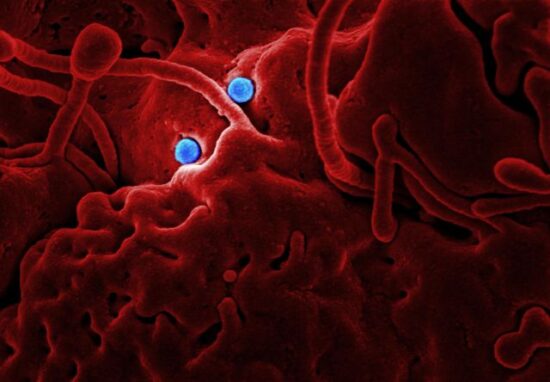
Extracellular Vesicle Communication Analysis: Tiny particles released by cells transport biological information between tissues
Anshika Jain - November 19, 2026The human body contains billions of cells that continuously exchange information to coordinate biological activities. Cells communicate through chemical signals, hormones, electrical impulses and direct physical interactions.…

Glycoprotein Structure Prediction: Changes in Protein-linked sugar structures
Anshika Jain - November 19, 2026Proteins are responsible for many essential biological activities, including cellular communication, immune defence, molecular transport, tissue development and the regulation of biochemical reactions. However, proteins do not…

Cellular Autophagy Regulation Intelligence: Cells recycle damaged components
Anshika Jain - November 19, 2026Every living cell continuously performs a complex maintenance process to preserve its internal environment, remove damaged structures and maintain normal biological activity. Proteins become misfolded, cellular membranes…

RNA Modification Mapping: Chemical Modifications to RNA Influence
Anshika Jain - November 19, 2026Gene expression is often described as the process through which information stored in DNA is used to produce functional RNA and proteins. However, the activity of genes…
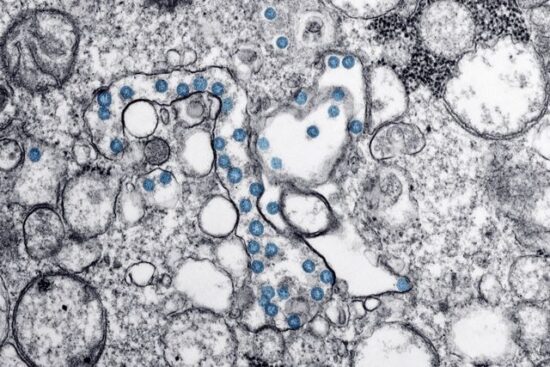
Organelle-Level Disease Intelligence: Dysfunction in Cellular Structures
Anshika Jain - November 19, 2026Many complex diseases develop through biological changes that begin long before their symptoms become noticeable. Some of these changes occur inside individual cells, where specialised structures known…

Behavioural Adaptation Under Uncertainty: People maintain health routines
Anshika Jain - November 19, 2026Maintaining healthy habits is often more challenging than beginning them. People may feel motivated to exercise regularly, improve their eating patterns, follow a consistent sleep schedule or…
.png)