
Gut Virome Intelligence: Viruses Influence the Human Gut Ecosystem

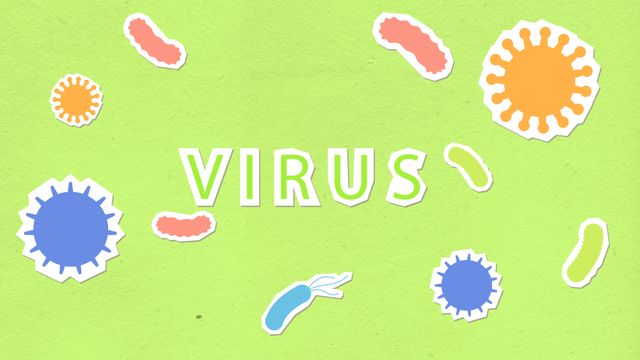
The human gut is home to an extraordinarily complex microbial ecosystem containing bacteria, fungi, archaea and viruses. While bacteria have received considerable attention in microbiome research, the viral communities living inside the digestive tract remain comparatively less understood. These viruses are not necessarily harmful to humans. Many of them infect bacteria rather than human cells, influencing which bacterial populations survive, how microbial communities interact and how nutrients and other substances move through the intestinal environment. Understanding these relationships could reveal an important dimension of digestive ecosystem functioning.
Viruses that infect bacteria are known as bacteriophages, commonly shortened to phages. They can influence bacterial populations by destroying bacterial cells, transferring genetic material or remaining dormant within bacterial genomes. Their activities may affect microbial diversity, competition, metabolism and the production of compounds that interact with the human intestinal environment. However, the relationships are complicated because a phage may behave differently depending on its bacterial host, genetic characteristics and surrounding conditions.
This complexity creates an opportunity for artificial intelligence (AI). Gut Virome Intelligence can be understood as an emerging research approach that combines viral genome sequencing, microbiome data, computational biology and machine learning to investigate how bacteriophages influence bacterial communities in the human gut. AI could help researchers identify previously unknown viruses, predict their bacterial hosts, examine viral-bacterial relationships and understand how these interactions change over time.
Although this field is still developing, it could transform microbiome research by moving beyond the study of individual bacteria towards a more complete understanding of the gut ecosystem. Exploring the relationship between bacteriophages, intestinal bacteria and human biology may eventually support more sophisticated approaches to nutrition science, microbial therapeutics and digestive health research.
Understanding the Gut Virome and Its Biological Importance
The gut virome refers to the collection of viruses present in the gastrointestinal environment. It includes viruses that infect bacteria, viruses that infect human cells and other viral groups that may enter the digestive tract through food, water or environmental exposure. The composition of the virome can vary considerably between individuals and may change according to age, diet, geography, medication exposure and the condition of the intestinal ecosystem.
Bacteriophages represent a particularly important part of this viral community. Unlike viruses that directly infect human cells, bacteriophages use bacterial cells to reproduce. They attach to specific bacterial hosts, introduce their genetic material and use the host’s cellular machinery to produce new viral particles. Depending on the type of phage and its interaction with the host, the process can eventually destroy the bacterial cell or allow the viral genome to remain within it.
The importance of bacteriophages extends beyond their ability to infect bacteria. They participate in microbial population regulation and can influence the distribution of bacterial species within the gut. If a particular bacterial population becomes abundant, phages capable of infecting that population may increase as well. This interaction can place pressure on the bacterial community and potentially create opportunities for other microorganisms to expand.
Consequently, the gut virome should not be considered an independent collection of viral particles. It is closely connected to the bacterial ecosystem and may influence the biological processes that take place throughout the digestive tract.
How Bacteriophages Influence Gut Bacterial Communities
Bacteriophages can influence intestinal bacteria through several biological mechanisms. Their effects depend on viral characteristics, bacterial susceptibility, environmental conditions and interactions with other microorganisms. Understanding these mechanisms is essential for determining how viral activity contributes to the stability and changing composition of the gut microbiome.
Lytic Infection and Bacterial Population Control
One of the most recognised bacteriophage mechanisms is the lytic cycle. During this process, a phage attaches to a susceptible bacterial cell, introduces its genetic material and directs the production of new viral particles. Once the viral replication process is complete, the bacterial cell typically breaks open, releasing newly formed phages.
This activity can reduce the abundance of susceptible bacterial populations. However, the ecological consequences may extend beyond the destruction of individual cells. When bacterial cells break apart, they release cellular materials and nutrients into the surrounding environment. These substances may become available to other microorganisms, potentially influencing microbial competition and nutrient cycling.
For example, if a bacteriophage selectively reduces a bacterial population that consumes a particular nutrient, other microorganisms may gain greater access to that resource. This can change the distribution of microbial activity within the gut. AI could help researchers investigate these relationships by comparing bacterial abundance, viral activity and changes in microbial metabolites over time.
Lysogeny and Viral Genetic Integration
Not all bacteriophages immediately destroy their bacterial hosts. Some can enter a state known as lysogeny, in which their genetic material becomes integrated into the bacterial genome or remains within the host cell in a stable form. Such viruses are called temperate phages.
During lysogeny, the viral genetic material may be replicated along with the bacterial genome without immediately producing new viral particles. Under certain conditions, the phage can become activated and enter the lytic cycle.
This relationship can influence bacterial characteristics. Some temperate phages carry genes that may alter bacterial behaviour, including genes associated with environmental adaptation, defence mechanisms or other biological functions. In certain bacterial species, phage-associated genes can contribute to traits relevant to bacterial interactions with their surroundings.
The presence of viral genetic material therefore does not automatically indicate an active infection. Researchers must distinguish between integrated viral sequences, dormant phages and actively replicating viruses. AI-based genome analysis could help classify these different viral states and investigate how they relate to bacterial functions.
Genetic Exchange and Microbial Evolution
Bacteriophages can also participate in horizontal gene transfer, a process through which genetic material moves between organisms without conventional reproduction. Certain phages can transfer bacterial DNA from one host to another through mechanisms such as transduction.
This process contributes to microbial evolution and may influence the distribution of particular genetic characteristics across bacterial populations. However, the significance of individual gene-transfer events depends on the genes involved, the recipient organism and whether the transferred material becomes functionally established.
Some phages carry genes that affect bacterial metabolism or interactions with the environment. Others may participate in the movement of genes associated with bacterial adaptation. Understanding these processes could help researchers investigate how viral activity influences the functional diversity of gut bacteria.
AI could support this research by examining similarities between viral and bacterial genetic sequences, identifying possible gene-transfer signatures and reconstructing evolutionary relationships. Such predictions would still require laboratory validation because genetic similarity alone does not prove that a transfer event has occurred.
Why the Gut Virome Is Difficult to Study
Studying the gut virome presents several technical challenges. Viral communities are highly diverse, and many viruses do not resemble previously characterised organisms. A substantial proportion of viral genetic sequences identified in microbiome studies may not have clear taxonomic classifications or known bacterial hosts.
Another difficulty is that viruses generally cannot be studied using exactly the same methods applied to bacteria. Bacterial cells contain cellular structures and genetic material that can be investigated through established microbial sequencing techniques. Viruses, in contrast, are not independent cellular organisms and require suitable host systems for replication. Their detection and characterisation therefore require specialised approaches.
Viral abundance can also vary considerably over time. A phage may become more common when its bacterial host is abundant and decline when that host becomes less available. At the same time, bacterial defence mechanisms may reduce viral infection, creating an ongoing biological interaction that is difficult to capture through a single sample.
Traditional microbiome studies that examine only bacterial composition may miss these relationships. A bacterial population might decline because of dietary changes, medication exposure, environmental conditions or viral infection. Without analysing the viral community, researchers may struggle to distinguish between these possible explanations.
Gut Virome Intelligence could help address these limitations by integrating different biological datasets into a shared analytical framework.
How Artificial Intelligence Could Decode the Gut Virome
AI offers computational methods for analysing large and complex biological datasets. In gut virome research, machine learning and related techniques could help identify viral sequences, predict bacterial hosts, analyse microbial networks and detect patterns that are difficult to recognise through conventional statistical approaches.
Viral Genome Identification and Classification
One of the first applications of AI could involve identifying previously unknown bacteriophages from metagenomic sequencing data. Metagenomics allows researchers to analyse genetic material collected directly from biological samples rather than requiring every microorganism to be grown in a laboratory.
Gut samples may contain millions of DNA or RNA fragments originating from different organisms. Separating viral sequences from bacterial, human and other genetic material can be challenging, particularly when the viruses have not been previously characterised.
Machine learning models could examine sequence composition, gene arrangements, protein-coding regions and other genomic characteristics to identify possible viral sequences. Deep learning systems may also recognise patterns in genetic data that are not easily captured by conventional sequence-comparison methods.
Once identified, viral sequences could be grouped according to their genetic similarities and predicted biological characteristics. This may help researchers build more comprehensive maps of the human gut virome and discover viral groups that have remained poorly understood.
However, computational classification does not always establish the exact identity or biological function of a virus. Predictions must be interpreted alongside established virology methods and experimental evidence.
Predicting Bacteriophage–Bacterial Host Relationships
Identifying which bacteria a particular phage infects is one of the most important challenges in gut virome research. Many bacteriophages have relatively specific host ranges, although some can infect multiple related bacterial strains.
AI could investigate potential host relationships by comparing viral and bacterial genomic information. Researchers may examine sequence similarities, shared genetic features, bacterial surface receptors and known patterns of viral infection. Machine learning models could combine these characteristics to estimate which bacterial species or strains are likely to serve as hosts.
This information could help researchers understand why certain bacterial populations increase or decline within an intestinal ecosystem. For example, if a phage is predicted to infect a bacterial group associated with the production of a particular metabolite, researchers could investigate whether changes in viral abundance correspond with changes in that metabolite.
Such predictions could also reveal previously unrecognised relationships between viral communities and specific bacterial groups. Nevertheless, a predicted host association does not confirm that a phage can successfully infect the bacterium. Laboratory experiments are necessary to establish actual host compatibility.
Mapping Viral–Bacterial Interaction Networks
The gut microbiome operates through interconnected biological relationships. Bacteria compete for nutrients, exchange metabolic products and respond to environmental conditions. Bacteriophages add another layer to this network by influencing bacterial survival and genetic characteristics.
AI could construct interaction networks in which viruses and bacteria are represented as connected biological entities. These networks may include information about predicted host relationships, viral abundance, bacterial activity and changes in microbial composition.
Graph-based machine learning could be particularly useful for identifying important organisms within these networks. Researchers may investigate whether certain phages influence multiple bacterial groups or whether specific bacterial populations are connected to several viral communities.
Network analysis could also help identify possible ecological shifts. For example, a change in one viral population may coincide with a reduction in a bacterial group and an increase in another microorganism. AI could identify such patterns and suggest possible mechanisms for further investigation.
However, these relationships should not automatically be interpreted as direct biological effects. Correlations between viral and bacterial abundance may result from shared environmental influences rather than direct infection.
Connecting the Gut Virome With Diet and Nutritional Metabolism
Diet is one of the major environmental factors influencing the gut microbiome. Different foods provide carbohydrates, proteins, fats, fibre and other compounds that can shape microbial growth and metabolic activity. Because bacteriophages depend on bacterial hosts, dietary changes may also indirectly influence viral communities.
This creates an important research opportunity: understanding how food-related changes in bacterial populations affect the viruses that infect them, and how these viral changes may subsequently influence microbial metabolism.
Dietary Fibre and Viral–Bacterial Relationships
Dietary fibre contains complex carbohydrates that human digestive enzymes cannot fully break down. Certain gut bacteria can ferment these compounds and produce short-chain fatty acids, including acetate, propionate and butyrate.
These microbial metabolites are involved in several processes within the intestinal environment. Butyrate, for example, serves as an important energy source for many colon cells and is studied for its role in intestinal barrier biology.
Bacteriophages could indirectly influence these processes by changing the abundance of bacteria involved in fibre fermentation. If a phage reduces a particular bacterial population, the production of certain metabolites may also change. Alternatively, the reduction of one microbial group may create opportunities for other fermenting bacteria to expand.
AI could combine dietary records, viral sequencing, bacterial profiles and metabolomic measurements to investigate these relationships. Researchers may use longitudinal datasets to determine whether changes in fibre intake are associated with predictable changes in bacterial populations and their corresponding phages.
The objective would not simply be to identify which foods increase or decrease viral abundance. Instead, it would be to understand how dietary conditions influence the entire network of interactions between viruses, bacteria and microbial metabolites.
Protein and Fat Metabolism
Protein and fat consumption can also influence the gut environment. Depending on the type and quantity of nutrients reaching the colon, different microbial communities may become more or less active. Protein fermentation can generate several metabolites, while dietary fats may influence bile acid composition and other intestinal conditions.
These environmental changes could affect the availability of bacterial hosts and influence bacteriophage activity. For instance, changes in microbial metabolism may alter the relative abundance of bacterial groups that support particular viral populations.
AI could investigate whether dietary patterns are associated with changes in viral diversity, bacterial host distribution and microbial metabolic pathways. Combining virome data with metabolomics may help researchers identify relationships that would remain invisible if they examined only bacterial composition.
Such research could contribute to a broader understanding of how dietary habits influence the ecological organisation of the digestive system.
Can AI Connect the Gut Virome With Human Health?
The gut virome may influence human biology indirectly through its effects on bacterial communities. Because gut bacteria participate in digestion, metabolite production, intestinal barrier interactions and immune signalling, changes in viral activity could potentially affect these processes.
However, the relationship between bacteriophages and human health is not straightforward. The presence of a particular virus does not automatically indicate disease, and changes in viral abundance do not necessarily represent a harmful condition.
Intestinal Barrier Research
The intestinal barrier separates the contents of the digestive tract from the underlying tissues. It includes epithelial cells, mucus, immune components and other protective mechanisms. Gut bacteria interact with this environment through their metabolic products and biological activities.
Bacteriophages may indirectly influence intestinal barrier research by changing the bacterial populations responsible for producing particular metabolites or interacting with the intestinal surface. AI could examine whether specific viral–bacterial patterns are associated with changes in markers of barrier function.
For example, researchers might combine viral genome data, bacterial composition, short-chain fatty acid measurements and intestinal inflammation markers. Machine learning could then identify recurring combinations that deserve further investigation.
These patterns may help generate hypotheses about the relationship between viral ecology and intestinal biology. They should not be treated as proof that a particular bacteriophage causes barrier damage or improvement.
Immune System Interactions
The human immune system continuously interacts with microorganisms and their biological products. Although bacteriophages primarily infect bacteria, viral particles and their components may also be recognised by immune-related mechanisms.
The interaction between bacteriophages, bacterial cells and the intestinal immune environment is an active area of research. Some phages may influence the availability of bacterial antigens or the release of bacterial components during infection. Their effects may depend on viral structure, host bacteria and local conditions.
AI could help integrate virome data with immune-related measurements, including inflammatory markers and other molecular signals. Such analysis may reveal whether particular viral communities are associated with specific immune profiles.
However, researchers must distinguish between direct interactions involving viral particles and indirect effects caused by changes in bacterial populations. This distinction is essential when interpreting the biological significance of the gut virome.
The Potential Role of Gut Virome Intelligence in Future Therapies
Understanding bacteriophages could eventually contribute to the development of more targeted approaches to microbial management. Phage therapy, which uses bacteriophages to target specific bacterial pathogens, is already an established area of scientific investigation. Its applications remain subject to important clinical, regulatory and practical considerations.
AI could support future phage research by predicting potential bacterial hosts, examining phage genomes and helping researchers identify candidates for experimental testing. It may also help investigate whether combinations of phages could target multiple bacterial strains while reducing unintended effects on other microbial populations.
In the context of the gut, this approach could be relevant to studying bacterial communities associated with particular digestive conditions. However, the goal would not necessarily be to eliminate all bacteria associated with a condition. Many bacterial species have multiple functions, and their effects may differ depending on the surrounding ecosystem.
AI could also help researchers examine phage resistance. Bacteria can develop defence mechanisms against viral infection, including changes to surface receptors and other protective systems. Computational models may help identify genetic patterns associated with resistance and predict how bacterial populations could respond to repeated phage exposure.
In the longer term, combining virome analysis with bacterial genomics and metabolomics may support more precise investigations into microbial ecosystem management. These possibilities remain research directions rather than established personalised treatments.
Major Challenges in Developing Reliable Gut Virome AI Models
Despite its potential, Gut Virome Intelligence faces several scientific and computational limitations. The first challenge is the shortage of comprehensive reference databases. Many gut viruses remain unidentified, and their host organisms or biological functions are unknown. Machine learning models trained on incomplete reference data may produce unreliable classifications when analysing unfamiliar viral sequences.
Another major issue is the difficulty of establishing cause-and-effect relationships. If a phage becomes more abundant while a bacterial population declines, the two events may be related, but they do not automatically demonstrate that the virus caused the bacterial reduction. Dietary changes, medication, immune activity and other environmental factors may influence both populations.
Sample preparation and sequencing methods also affect the results. Differences in laboratory protocols can influence which viral particles are recovered and which sequences are detected. This makes it difficult to compare datasets collected by different research teams.
The gut virome is also highly dynamic. A single stool sample provides only a limited view of an ecosystem that changes over time. Longitudinal sampling is therefore important for understanding how viral communities respond to dietary changes, infections, medication exposure and other conditions.
AI models must also address interpretability. Researchers need to understand why a model predicts a particular virus–host relationship or identifies a certain microbial network as important. Transparent models and experimental validation will be essential before these predictions can support clinical or nutritional applications.
Finally, human microbiome data can contain sensitive biological information. Any future system that uses individual virome profiles must apply strong data protection, informed consent and responsible research practices.
The Future of Gut Virome Intelligence
Future developments may involve combining metagenomics, metatranscriptomics, metabolomics, proteomics and advanced imaging into integrated research platforms. Metagenomics can help identify viral genetic material, while metatranscriptomics may provide information about which genes are being expressed. Metabolomics can reveal changes in microbial chemical activity, and imaging techniques may help investigate interactions between viruses and bacterial cells.
AI systems could analyse these datasets together to create more detailed models of the gut ecosystem. Instead of studying viral abundance as an isolated measurement, researchers may be able to examine whether particular phages are actively interacting with specific bacteria and whether these interactions coincide with changes in microbial metabolism.
Another possible development is the creation of computational models that simulate viral–bacterial population dynamics. Such models could help researchers explore how a bacterial population might respond to changes in dietary substrates, phage activity or environmental conditions. They may also support the design of laboratory experiments by identifying biological relationships that deserve closer examination.
In the future, Gut Virome Intelligence could become part of broader precision microbiome research. Rather than focusing only on bacterial diversity, researchers may investigate the combined effects of bacteria, viruses, diet and microbial metabolites. This could provide a more complete picture of why individuals with apparently similar diets sometimes develop different microbial profiles.
Nevertheless, the value of these technologies will depend on reproducible scientific evidence. AI can identify patterns and generate predictions, but laboratory experiments and carefully designed human studies will remain necessary to establish biological mechanisms and clinical relevance.
Conclusion
The human gut is not simply a bacterial ecosystem. It is a complex biological environment in which viruses, particularly bacteriophages, interact with bacterial populations and influence microbial community dynamics. Through lytic infection, lysogeny and genetic exchange, these viruses can contribute to bacterial population regulation, microbial evolution and changes in the intestinal environment.
Gut Virome Intelligence offers a promising computational approach to understanding these relationships. By combining viral genome analysis, bacterial sequencing, host prediction, metabolomics and machine learning, AI could help researchers uncover hidden connections between bacteriophages and the broader gut microbiome. It may also provide new ways to investigate how dietary fibre, proteins, fats and other nutritional factors influence viral–bacterial interactions.
The most important contribution of this research could be a shift in how scientists understand the digestive ecosystem. Instead of studying bacteria and viruses separately, future investigations may examine them as interconnected components of one biological network. Although many applications remain experimental, AI-assisted virome research could eventually improve our understanding of microbial metabolism, intestinal ecology and the complex relationships between diet and human biology.
Online Internship with Certificate
You may be interested

Proprioceptive Health Intelligence: Brain Understands Body Position and Movement?
Anshika Jain - November 4, 2026Every movement performed by the human body depends on an intricate communication system that operates largely without conscious attention. Walking across a room, climbing stairs, maintaining balance,…

Neuroplasticity Mapping: Daily Experiences Reshape Learning and Cognitive Adaptation
Anshika Jain - November 4, 2026The human brain is continuously changing in response to everyday experiences. Learning a new language, practising a musical instrument, navigating an unfamiliar environment, solving complex problems, developing…
Digital Organoid Research: Miniature Lab-Grown Organs
Anshika Jain - November 4, 2026Understanding how the human body responds to food is more complicated than identifying the nutrients present in a meal. Two people consuming the same food may experience…
Most from this category
Microbial Metabolite Signatures: Bacterial Byproducts Have Biological Effects
Anshika Jain - November 4, 2026
Epithelial Immunity Mapping: Intestinal Cells Coordinate With Immune System
Anshika Jain - November 4, 2026
Extracellular Matrix Intelligence: Body’s Structural Environment Affect Tissue Health
Anshika Jain - November 3, 2026
Bone Remodeling Analytics: Balance Between Bone Formation and Breakdown
Anshika Jain - November 3, 2026
Microbial Metabolite Signatures: Bacterial Byproducts Have Biological Effects
Anshika Jain - November 4, 2026Epithelial Immunity Mapping: Intestinal Cells Coordinate With Immune System
Anshika Jain - November 4, 2026Extracellular Matrix Intelligence: Body’s Structural Environment Affect Tissue Health
Anshika Jain - November 3, 2026


Digital Organoid Research: Miniature Lab-Grown Organs
November 4, 2026
.png)
Leave a Comment
You must be logged in to post a comment.