
Epithelial Immunity Mapping: Intestinal Cells Coordinate With Immune System

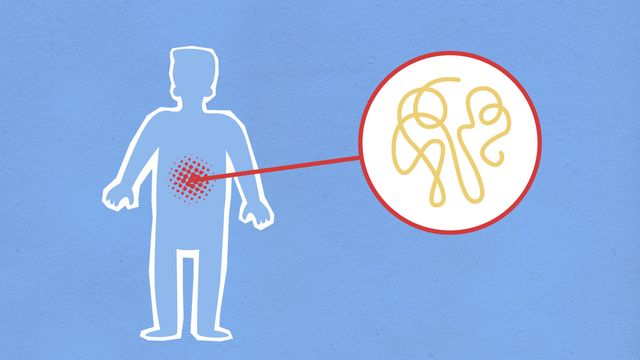
The human intestine performs two essential functions that must remain carefully balanced. It absorbs nutrients from food while protecting the body against harmful microorganisms, toxins and other potentially damaging substances. These responsibilities are managed through a highly organised biological system in which intestinal epithelial cells communicate continuously with immune cells, gut microorganisms and chemical signals present in the surrounding environment. This coordination helps the intestine recognise potential threats without triggering unnecessary inflammation against harmless food components or beneficial microbes.
The intestinal epithelium is much more than a physical wall separating the contents of the digestive tract from internal tissues. It is an active biological interface that senses environmental changes, produces signalling molecules, regulates barrier functions and participates in immune responses. Epithelial cells interact with immune components through cytokines, antimicrobial peptides, pattern-recognition receptors and specialised cellular structures. Their activities influence how the immune system responds to infections, maintains tolerance and supports intestinal tissue repair.
However, these interactions are extremely complex. Different epithelial cell types perform specialised functions, and their communication with immune cells changes according to intestinal location, microbial exposure, diet and inflammatory conditions. Studying these relationships through individual laboratory measurements may not reveal the complete picture.
Artificial intelligence could provide a new approach through Epithelial Immunity Mapping. This emerging research concept involves combining cellular imaging, gene-expression profiles, immune measurements and microbiome data to understand how intestinal epithelial cells coordinate with the immune system. AI could help researchers identify communication patterns, predict changes in immune activity and investigate how disruptions in epithelial signalling contribute to intestinal disorders.
Understanding the Intestinal Epithelium and Its Immune Functions
The intestinal epithelium is a specialised layer of cells lining the gastrointestinal tract. It separates the intestinal contents from the underlying tissues while allowing nutrients, water and selected molecules to pass through. Its structure is maintained through specialised connections between neighbouring cells, including tight junctions that regulate movement across the epithelial barrier.
The epithelial layer contains several cell types with different biological responsibilities. Enterocytes are primarily involved in nutrient absorption, while goblet cells produce mucus that helps protect the intestinal surface. Paneth cells, particularly prominent in the small intestine, release antimicrobial substances that contribute to controlling microbial populations. Enteroendocrine cells detect nutrients and release hormones involved in digestive regulation. Other specialised epithelial populations, including tuft cells and M cells, participate in sensing environmental signals and supporting immune communication.
These cells do not operate independently. They communicate with immune cells located beneath and within the epithelial layer, including macrophages, dendritic cells, T cells and innate lymphoid cells. Their interactions help regulate inflammation, tissue protection and responses to microorganisms.
The epithelium also contains pattern-recognition receptors that detect molecular structures associated with microbes and cellular stress. These receptors help epithelial cells identify changes in their environment and activate appropriate signalling pathways. However, immune recognition must remain controlled because the intestine is continuously exposed to harmless dietary substances and a large community of resident microorganisms.
The balance between protection and tolerance is therefore one of the central responsibilities of intestinal epithelial immunity.
How Intestinal Cells Coordinate With the Immune System
Epithelial cells communicate with immune cells through a network of molecular signals. These signals influence immune-cell recruitment, activation, survival and functional behaviour. Understanding this communication is essential for explaining how the intestine responds to infection while maintaining a relatively stable internal environment.
Cytokines and Chemical Communication
Cytokines are signalling proteins that regulate communication between cells, particularly within the immune system. Intestinal epithelial cells can produce several cytokines and related signalling molecules in response to microbial exposure, tissue damage and environmental changes.
For example, epithelial cells can release cytokines such as thymic stromal lymphopoietin (TSLP), interleukin-25 (IL-25) and interleukin-33 (IL-33) under particular conditions. These molecules can influence nearby immune populations and contribute to the regulation of local immune responses. Their effects depend on the cellular environment and the specific signalling pathways activated.
Other epithelial signals help regulate inflammation and support protective responses. Interleukin-22, for instance, is produced by certain immune-cell populations and acts on epithelial cells to influence antimicrobial defence, barrier maintenance and tissue repair. This illustrates that communication is bidirectional: epithelial cells influence immune activity, while immune cells also modify epithelial behaviour.
AI could help researchers examine these relationships by analysing gene-expression patterns and identifying which cellular populations produce or respond to particular signalling molecules. Such analysis may reveal communication pathways that are difficult to identify when cells are studied separately.
Antimicrobial Peptides and Microbial Regulation
The intestinal epithelium contributes to microbial regulation by producing antimicrobial substances. Paneth cells are particularly important in this process because they release defensins, lysozyme and other protective molecules into the intestinal environment.
These substances can influence microbial growth and help maintain appropriate separation between intestinal microorganisms and epithelial tissues. Their activity is part of the broader protective system that prevents excessive microbial contact with sensitive intestinal surfaces.
The relationship between antimicrobial peptides and the gut microbiome is complex. Different microorganisms may respond differently to particular antimicrobial substances, and the effectiveness of these mechanisms depends on several environmental and biological factors.
AI could combine measurements of antimicrobial peptide production with microbiome sequencing data to investigate whether changes in epithelial defence correspond with changes in microbial composition. Researchers may also examine whether specific microbial communities are associated with particular patterns of antimicrobial gene expression.
Such models could help generate hypotheses about how epithelial defence mechanisms contribute to microbial balance. They would not, however, establish that a particular peptide directly causes a specific change in the microbiome without experimental evidence.
Tight Junctions and Barrier Communication
Tight junctions are specialised structures that connect neighbouring epithelial cells and regulate the movement of substances between them. Proteins such as claudins, occludin and zonula occludens contribute to the organisation and function of these junctions.
The intestinal barrier is dynamic rather than permanently sealed. It must allow nutrients and other necessary substances to cross while restricting the uncontrolled movement of potentially harmful materials. Inflammatory signals, microbial products and tissue stress can influence tight-junction organisation and barrier permeability.
Immune cells beneath the epithelium can release signalling molecules that modify epithelial function. In turn, epithelial cells can respond by changing the expression of barrier-related proteins and other protective factors.
AI could analyse microscopy images, protein-expression measurements and molecular data to identify patterns associated with changes in barrier organisation. Computer vision systems may help quantify tight-junction structures, detect cellular damage and compare epithelial arrangements across different experimental conditions.
This could improve research into intestinal barrier dysfunction, although image-based predictions would need to be validated against established functional measurements of permeability.
Why Epithelial Immunity Is Difficult to Map
The intestinal immune environment is highly variable. The small intestine and large intestine have different structural and microbial conditions, and epithelial cells perform functions that vary according to their location. Even within the same intestinal region, neighbouring cells may respond differently to microbial signals or inflammatory conditions.
Another challenge is that epithelial and immune-cell communication changes over time. A cell may produce one set of signalling molecules during normal conditions and another during infection or tissue damage. A single tissue sample may therefore capture only one stage of a continuously changing biological process.
Traditional laboratory studies often focus on individual molecules, cell types or pathways. These investigations are essential for understanding specific mechanisms, but they may not fully explain how multiple cellular populations coordinate their activities.
For example, a change in a cytokine level could be associated with epithelial stress, immune-cell activation or microbial exposure. Without information about the surrounding cellular environment, it may be difficult to determine which process is primarily responsible.
This is where integrated computational analysis could become useful. Epithelial Immunity Mapping would aim to combine information from multiple biological layers rather than examining each measurement independently.
How Artificial Intelligence Could Map Epithelial–Immune Communication
AI can process large biological datasets and identify relationships between variables that may be difficult to analyse using conventional approaches. In epithelial immunity research, machine learning could integrate cellular information, molecular signals, imaging data and microbial measurements to build a more complete picture of intestinal communication.
Single-Cell RNA Sequencing and Cellular Identification
Single-cell RNA sequencing allows researchers to examine gene-expression patterns in individual cells. Unlike traditional methods that measure average gene activity across a large tissue sample, single-cell approaches can reveal differences between distinct cellular populations.
In intestinal research, this technology can help identify epithelial cell types, immune-cell populations and changes in their gene-expression profiles. Researchers may use it to investigate how enterocytes, goblet cells, Paneth cells and other epithelial populations respond to different biological conditions.
AI could help classify these cells, identify previously unrecognised cellular subgroups and detect patterns associated with inflammation or tissue repair. Machine learning models may also compare gene-expression profiles across healthy and diseased tissue samples.
This approach could reveal whether particular epithelial populations show changes in immune-related signalling before broader tissue alterations become visible. It may also help researchers understand why cells within the same tissue respond differently to similar environmental conditions.
However, gene expression does not always correspond directly to protein production or biological activity. Computational predictions must therefore be supported by additional molecular and functional experiments.
Spatial Transcriptomics and Cellular Communication Maps
Single-cell sequencing provides detailed information about individual cells, but it can remove important information about their original positions within the tissue. Spatial transcriptomics addresses this limitation by measuring gene-expression patterns while preserving information about where cells are located.
Location matters considerably in intestinal immunity. Epithelial cells near the intestinal surface may experience different microbial signals from cells located deeper within intestinal structures. Immune cells positioned close to the epithelium may also communicate differently from those found in other tissue regions.
AI could combine spatial transcriptomics with digital microscopy to create detailed maps of cellular organisation. These maps may show where specific cytokines are expressed, which epithelial populations are located near particular immune cells and how these arrangements change during inflammation.
For example, researchers could investigate whether certain epithelial signals are concentrated near immune-cell clusters or whether changes in tissue structure correspond with altered cellular communication.
Spatial analysis may therefore provide a more realistic understanding of intestinal immunity than approaches that examine gene expression without considering tissue location.
Predicting Cell-to-Cell Signalling Networks
One of the most promising applications of AI is the analysis of cell-to-cell communication. Epithelial cells and immune cells exchange information through signalling molecules and their corresponding receptors.
Computational tools can compare the expression of signalling molecules in one cell population with receptor expression in another. This can help identify possible communication pathways between different cellular groups.
For example, researchers may examine whether an epithelial population expresses a particular cytokine while nearby immune cells express the receptor associated with that signal. AI could analyse thousands of such relationships and organise them into communication networks.
Graph-based machine learning could then identify important cellular populations, highly connected signalling pathways and possible changes in communication during disease conditions.
These models can help prioritise biological relationships for laboratory investigation. However, predicted ligand–receptor interactions do not prove that two cell populations are actively communicating. Direct experimental evidence is required to confirm the presence and functional significance of these interactions.
Computer Vision for Intestinal Tissue Analysis
Microscopy provides important information about epithelial structure, immune-cell distribution and tissue damage. However, analysing large collections of images manually can be time-consuming and may introduce variation between observers.
AI-powered computer vision could help automate the identification and measurement of cellular structures. Deep learning models may classify epithelial cells, detect immune-cell clusters, quantify mucus coverage and examine changes in tissue architecture.
For example, an AI system could compare intestinal tissue images from different experimental conditions and identify regions showing changes in epithelial organisation or immune-cell distribution. When combined with molecular data, these observations could help researchers connect structural changes with specific signalling pathways.
Such systems may improve the consistency of image analysis and allow researchers to examine larger datasets. Their reliability would depend on image quality, training data diversity and validation across different laboratories and imaging methods.
The Role of the Gut Microbiome in Epithelial Immunity
The gut microbiome is an important part of the intestinal environment. Resident microorganisms produce metabolites, interact with epithelial surfaces and influence immune development and activity. These interactions help shape the conditions under which epithelial cells perform their protective functions.
One important group of microbial metabolites is short-chain fatty acids, which include acetate, propionate and butyrate. These compounds are produced through the microbial fermentation of certain dietary carbohydrates, particularly fibre.
Butyrate has received considerable attention because it serves as an energy source for colonocytes and participates in processes associated with epithelial function and immune regulation. Other microbial products, including bile acid derivatives and tryptophan metabolites, may also influence communication between intestinal cells and immune populations.
AI could combine microbiome sequencing, metabolomics and epithelial gene-expression data to investigate these relationships. Researchers may identify patterns connecting specific microbial communities with changes in epithelial signalling and immune-cell activity.
For example, a study could examine whether differences in dietary fibre intake correspond with changes in microbial metabolites and whether those changes are associated with altered expression of epithelial barrier-related genes.
The objective would be to understand the complete relationship between diet, microorganisms, epithelial activity and immune communication. Such findings could contribute to nutritional research, although associations between microbial metabolites and immune markers would still require experimental validation before specific causal conclusions could be drawn.
Applications in Understanding Intestinal Disorders
Epithelial–immune communication is relevant to several intestinal conditions, particularly those involving inflammation, barrier dysfunction or altered microbial relationships.
Inflammatory Bowel Disease Research
Inflammatory bowel disease, which includes Crohn’s disease and ulcerative colitis, involves chronic inflammation of the gastrointestinal tract. These conditions are associated with complex interactions among genetic susceptibility, immune activity, epithelial function, environmental factors and the gut microbiome.
AI-based epithelial immunity mapping could help researchers investigate how cellular communication differs between healthy intestinal tissue and tissue affected by inflammatory bowel disease. By integrating single-cell sequencing, spatial transcriptomics and immune measurements, models may identify altered signalling pathways and cellular populations associated with inflammation.
Researchers could also examine whether epithelial barrier-related changes occur alongside specific immune-cell patterns. This may help reveal why certain regions of the intestine experience different degrees of inflammation.
The ultimate goal would be to improve biological understanding and identify potential research targets. AI predictions alone cannot diagnose inflammatory bowel disease or determine the most appropriate treatment.
Intestinal Infection and Tissue Repair
During intestinal infections, epithelial cells recognise microbial signals and activate protective responses. These responses may include the production of antimicrobial substances, cytokine signalling and changes in barrier function.
After an infection or tissue injury, epithelial cells also participate in repair and regeneration. Stem cells located within intestinal crypts support the replacement of damaged epithelial cells, while immune signals help regulate the surrounding tissue environment.
AI could examine how epithelial and immune-cell populations change across different stages of infection and recovery. Longitudinal datasets may reveal which signalling patterns are associated with effective tissue repair and which are linked to prolonged inflammation.
This could improve research into the biological mechanisms that determine how intestinal tissues recover after damage.
Could Epithelial Immunity Mapping Support Precision Nutrition?
Diet influences the intestinal environment through the nutrients and other compounds that reach the digestive tract. Fibre, fermented foods, plant compounds and different sources of dietary fat and protein can affect microbial activity and the availability of metabolites that interact with intestinal cells.
However, individuals do not always respond identically to the same dietary pattern. Differences in microbiome composition, genetics, medication exposure and other environmental factors may contribute to variations in intestinal responses.
Epithelial Immunity Mapping could eventually help researchers investigate these differences. AI models may combine dietary records, microbiome profiles, microbial metabolites and epithelial or immune-related measurements to identify patterns associated with particular nutritional conditions.
For example, researchers might investigate whether certain dietary patterns are associated with changes in microbial fermentation and whether those changes correspond with specific epithelial signalling profiles. They could also examine how different food components influence the relationship between intestinal bacteria and immune cells.
This research may contribute to more detailed models of diet–microbiome–immune interactions. Nevertheless, personalised dietary recommendations based on epithelial immunity profiles remain an area requiring substantial clinical validation. A molecular pattern observed in a research dataset should not be interpreted as proof that a particular diet will improve an individual’s immune function.
Challenges and Limitations of AI-Based Epithelial Immunity Mapping
Despite its potential, developing reliable AI systems for epithelial immunity research presents several challenges. One major issue is the integration of datasets generated through different technologies. Single-cell sequencing, spatial transcriptomics, microscopy and metabolomics produce information in different formats and at different biological scales. Combining these measurements without losing important context requires carefully designed computational methods.
Another challenge is biological variation. Intestinal tissues differ according to location, age, diet, disease status and other factors. A model trained using samples from one population or laboratory may not perform reliably when applied to a different group.
Data quality is equally important. Inconsistent sample collection, tissue processing and sequencing protocols can influence the results. If training datasets contain technical differences, AI models may learn laboratory-specific patterns instead of genuine biological relationships.
Interpretability also remains essential. Researchers need to understand why a model identifies a particular signalling pathway or predicts a specific interaction between epithelial and immune cells. Explainable AI methods may help reveal which variables contribute to predictions, but biological explanations must still be tested experimentally.
Finally, there is a distinction between predicting cellular communication and demonstrating its function. A computational model may identify a possible interaction between two cell types, but laboratory studies are necessary to determine whether the interaction occurs and what effect it produces.
The Future of Epithelial Immunity Mapping
Future research may combine single-cell sequencing, spatial biology, advanced microscopy, proteomics and metabolomics into integrated computational systems. These platforms could allow researchers to investigate not only which cells are present in intestinal tissue but also where they are located, which genes they express and how their signalling relationships change over time.
Another promising direction is the development of computational models of intestinal tissue. These models could simulate interactions between epithelial cells, immune populations and microorganisms under different experimental conditions. Researchers may use them to explore how changes in one cellular population influence the behaviour of the wider tissue environment.
AI could also support organoid research. Intestinal organoids are three-dimensional laboratory models derived from stem cells that reproduce some structural and functional features of intestinal tissue. When combined with immune cells or microbial components, they may provide controlled systems for investigating epithelial–immune interactions. AI could analyse imaging and molecular data from these experiments to identify patterns associated with tissue responses.
In the longer term, these developments may help researchers move towards a more integrated understanding of intestinal biology. Instead of treating epithelial cells, immune cells and gut microorganisms as separate research subjects, scientists could examine them as interconnected components of a coordinated biological system.
Conclusion
The intestinal epithelium is an active participant in immune regulation rather than simply a physical barrier. Its cells communicate with immune populations through cytokines, antimicrobial peptides, receptor-based signalling and other molecular pathways. These interactions help maintain microbial balance, protect intestinal tissues, regulate inflammation and support recovery after damage.
Epithelial Immunity Mapping offers a promising approach to understanding this complex communication network. By combining single-cell sequencing, spatial transcriptomics, computer vision, microbiome analysis and machine learning, AI could help researchers identify cellular relationships that are difficult to recognise through conventional methods.
The potential applications extend from investigating inflammatory bowel disease and intestinal infections to exploring the effects of diet and microbial metabolites on epithelial function. However, reliable progress will depend on high-quality datasets, transparent models and experimental validation.
Ultimately, AI could help reveal how intestinal cells and the immune system coordinate their activities across different conditions. This deeper understanding may contribute to more advanced research in digestive health, immunology and precision nutrition, while providing a clearer picture of how the intestine maintains the delicate balance between protection and tolerance.
Online Internship with Certificate
You may be interested
Proprioceptive Health Intelligence: Brain Understands Body Position and Movement?
Anshika Jain - November 4, 2026Every movement performed by the human body depends on an intricate communication system that operates largely without conscious attention. Walking across a room, climbing stairs, maintaining balance,…

Neuroplasticity Mapping: Daily Experiences Reshape Learning and Cognitive Adaptation
Anshika Jain - November 4, 2026The human brain is continuously changing in response to everyday experiences. Learning a new language, practising a musical instrument, navigating an unfamiliar environment, solving complex problems, developing…
Digital Organoid Research: Miniature Lab-Grown Organs
Anshika Jain - November 4, 2026Understanding how the human body responds to food is more complicated than identifying the nutrients present in a meal. Two people consuming the same food may experience…
Most from this category
Microbial Metabolite Signatures: Bacterial Byproducts Have Biological Effects
Anshika Jain - November 4, 2026
Extracellular Matrix Intelligence: Body’s Structural Environment Affect Tissue Health
Anshika Jain - November 3, 2026
Bone Remodeling Analytics: Balance Between Bone Formation and Breakdown
Anshika Jain - November 3, 2026
Microbial Metabolite Signatures: Bacterial Byproducts Have Biological Effects
Anshika Jain - November 4, 2026Gut Virome Intelligence: Viruses Influence the Human Gut Ecosystem
Anshika Jain - November 4, 2026Extracellular Matrix Intelligence: Body’s Structural Environment Affect Tissue Health
Anshika Jain - November 3, 2026


Digital Organoid Research: Miniature Lab-Grown Organs
November 4, 2026

.png)
Leave a Comment
You must be logged in to post a comment.