
Smartwatches and Fitness: Are People Becoming More Aware of Their Daily Activity?

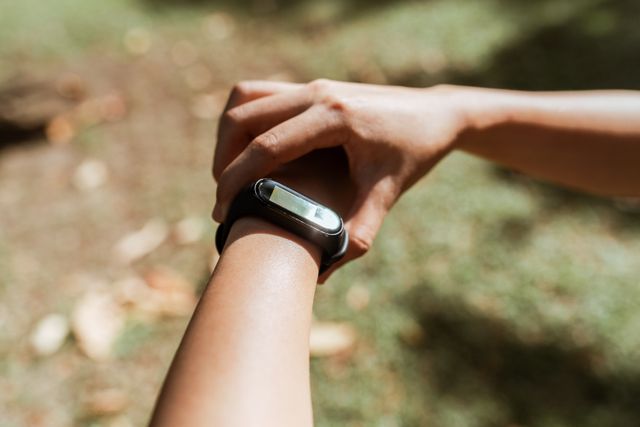
Fitness has traditionally been associated with structured activities such as gym workouts, running, sports, yoga and organised exercise programmes. However, the growing popularity of smartwatches and wearable fitness technology is changing how people understand physical activity. Instead of thinking about exercise only as a dedicated session, people can now receive information about steps, movement, heart rate, sleep, workouts and other aspects of daily behaviour throughout the day.
Smartwatches have transformed the wrist into a small personal dashboard for health and activity information. A person can check how many steps they have taken, monitor a workout, receive reminders to move, observe changes in heart rate and review activity patterns through a connected smartphone application. These features have made everyday movement more visible and measurable.
The growing use of wearable technology raises an interesting question: are people actually becoming more aware of their daily activity because they can measure it? The answer is not simply about whether people own a smartwatch. Awareness depends on how individuals interpret the information, whether the data encourages useful behaviour and whether tracking becomes a sustainable part of everyday life. Nevertheless, wearable technology has created a new way of thinking about movement by turning activities that once went unnoticed into measurable information.
The Rise of Wearable Fitness Technology
Wearable technology has developed considerably over the past decade. Early activity trackers primarily focused on counting steps, while modern smartwatches can monitor a much wider range of activities and physiological measurements. They can record walking, running, cycling, swimming and other workouts, while also providing information related to sleep and daily movement.
This development has made fitness tracking accessible beyond traditional athletes. A person does not need to train for a marathon or visit a gym regularly to use a smartwatch. Someone working at a desk, a student attending classes or a person taking evening walks can all use wearable technology to understand their daily movement.
The appeal comes partly from convenience. The device remains on the wrist and can collect information throughout the day without requiring the user to manually record every activity. Over time, this creates a digital record that can help users recognise patterns.
From Exercise to Everyday Movement
One of the most important changes brought by smartwatches is the expansion of the definition of physical activity. Fitness is no longer represented only by a one-hour workout.
Walking to a shop, climbing stairs, moving around an office, commuting on foot or completing household activities can all contribute to daily movement. A smartwatch can make these activities visible by recording steps and active time.
This can change the way people think about sedentary routines. Someone who spends most of the day sitting at a desk may discover that their overall movement is lower than expected. Another person may realise that a daily commute or regular evening walk contributes significantly to their activity.
The data does not necessarily change behaviour by itself, but it can make previously invisible habits easier to notice.
Step Counts and the Psychology of Measurement
The step counter remains one of the simplest and most popular smartwatch features. It provides a straightforward numerical representation of movement.
For many people, seeing a step count can create a sense of awareness. If the number is low near the end of the day, a person may decide to take a short walk. If the number is already high, they may become more conscious of maintaining that routine.
This is an example of how measurement can influence behaviour. When an activity becomes measurable, people can compare it with previous days and observe changes over time.
However, step counts should not be treated as a complete measurement of fitness. Different forms of exercise, strength training, flexibility work and other activities may not be adequately represented by a single step number. The value of the step counter is therefore primarily in making movement visible rather than defining overall health.
Reminders to Move and Sedentary Behaviour
Modern lifestyles often involve extended periods of sitting. Office work, online classes, commuting, gaming and screen-based entertainment can result in long periods with limited movement.
Many smartwatches address this through inactivity reminders. After a period of limited movement, the device may encourage the user to stand or walk.
Such reminders are simple, but they can interrupt an otherwise automatic routine. A person focused on work may not realise how long they have been sitting until the watch provides a prompt.
This illustrates an important role of wearable technology: it can act as an external reminder for behaviours that people might otherwise overlook. The effectiveness of such reminders depends on whether users respond to them, but the technology can create moments of awareness during a busy day.
Heart Rate Monitoring and Exercise Awareness
Heart rate tracking has become another common smartwatch feature. During exercise, users can observe how their heart rate changes with different levels of activity.
For fitness enthusiasts, this can help them understand training intensity and compare workouts. Someone who regularly runs, cycles or performs cardiovascular exercise may use heart-rate information alongside other training data.
For general users, heart-rate tracking can also make exercise feel more measurable. Instead of simply knowing that they completed a workout, they may be able to observe how their body responded during different activities.
However, wearable heart-rate measurements are not equivalent to clinical measurements in every situation. The accuracy of consumer devices can vary depending on the device, activity and individual circumstances. Smartwatch data should therefore be interpreted as consumer wellness information rather than automatically treated as a medical diagnosis.
Sleep Tracking and the Expansion of Fitness Awareness
Smartwatches have also expanded fitness tracking beyond waking hours. Many devices provide sleep-related information, allowing users to observe their sleeping patterns.
This is important because recovery is connected to how people approach physical activity. A person may focus heavily on workouts while paying less attention to rest. Sleep tracking can make nighttime routines more visible and encourage users to consider how sleep fits into their broader lifestyle.
The growing interest in sleep data also reflects a broader shift in fitness culture. Fitness is increasingly being viewed as a combination of movement, recovery, nutrition and daily habits rather than exercise alone.
At the same time, sleep-tracking information should be interpreted carefully. Consumer wearables estimate sleep-related metrics and may not provide the same information as a professional sleep assessment.
Fitness Apps and Personal Activity Records
The smartwatch itself is only one part of the wearable ecosystem. Data is often transferred to a smartphone application where users can view activity trends over days, weeks or months.
This long-term perspective can be more useful than looking at individual measurements. A person may discover that they are more active on weekdays, less active on weekends or more consistent during certain seasons.
Activity records can also support goal setting. Users can create personal targets and monitor whether their routines are changing.
This creates a feedback loop in which people perform an activity, receive data, evaluate the result and potentially modify their behaviour. The cycle can make fitness more interactive.
Are Fitness Goals Becoming More Data-Driven?
The growth of smartwatches has contributed to a more data-driven approach to fitness. People can compare workout durations, distances, heart-rate patterns, calories estimated by the device and activity frequency.
For some users, this information can provide motivation. Progress can be visible through graphs and historical records rather than relying only on how a person feels.
However, data can also create pressure. Constantly attempting to improve numbers may cause some users to focus more on measurements than on how they actually feel. A missed activity target could become discouraging even when the person has had a busy or tiring day.
A balanced approach treats wearable data as information rather than a judgement of personal performance.
The Role of Gamification
Many fitness platforms use elements of gamification to make physical activity more engaging. Users may receive badges, achievement notifications, streaks or challenges based on their activity.
This can turn walking or exercising into a small daily challenge. Some people may find motivation in reaching a personal target or maintaining a routine.
Gamification can also introduce a social dimension. Some platforms allow users to compare activities with friends or participate in group challenges.
However, competition is not equally motivating for everyone. Some people may enjoy comparing progress, while others may prefer private goals. The usefulness of gamification depends largely on individual preferences.
Smartwatches and Motivation
One of the central reasons people use fitness trackers is motivation. A device that provides immediate feedback can make physical activity feel more tangible.
For example, someone who normally takes short walks may notice that their activity increases on days when they intentionally add a longer walk. Seeing the difference can encourage them to repeat the behaviour.
The motivational effect may also come from consistency. When users can see several weeks of activity history, maintaining a routine can become an objective rather than a vague intention.
However, technology cannot create motivation permanently. Interest may decline if tracking becomes repetitive or if goals are unrealistic. Long-term behaviour change generally depends on habits that fit naturally into a person’s lifestyle.
The Problem of Fitness Data Overload
More information is not always better information. Modern smartwatches can provide numerous measurements, notifications and health-related indicators.
For beginners, this amount of information can become confusing. Users may focus on individual numbers without understanding what they mean or how reliable they are.
This is particularly relevant when people interpret wearable data as medical information. A smartwatch may identify a change in a metric, but that does not necessarily explain why the change occurred.
The growing availability of health-related data therefore makes digital health literacy increasingly important. Users need to understand the difference between tracking, estimation and clinical assessment.
Privacy and Personal Health Data
Wearable devices generate large amounts of personal information. Activity patterns, location information, exercise routines and other health-related measurements can potentially reveal details about an individual’s lifestyle.
This makes privacy an important part of wearable technology. Users should understand what information their device and associated applications collect, how it is stored and how it may be shared.
Companies also face responsibility for protecting sensitive user information. As smartwatches become more capable, discussions about convenience must increasingly include questions about data security and privacy.
The fitness technology industry is therefore not only developing new sensors and software but also navigating growing expectations around responsible data management.
Smartwatches and Different Generations
Wearable fitness technology is increasingly used by people of different ages. Younger users may be attracted by activity challenges, smartphone integration and sports tracking, while older users may value reminders, activity monitoring and easy access to certain wellness information.
The benefits can differ depending on lifestyle. A student may use a smartwatch to track sports and walking, while an office worker may use it primarily to monitor sedentary periods and encourage movement.
This flexibility has helped transform smartwatches from specialist fitness devices into general lifestyle technology.
Smartwatches and the Future of Personal Fitness
The next generation of wearable technology is likely to become increasingly personalised. Devices may use artificial intelligence to identify activity patterns, generate summaries and provide customised recommendations.
AI could help users understand trends across multiple types of data rather than looking at individual measurements separately. For example, a platform could combine activity, exercise and sleep information to provide a broader picture of daily routines.
However, personalisation also increases the importance of responsible technology design. Recommendations should be transparent and should not encourage unhealthy behaviour or create unnecessary anxiety around normal variations in activity.
The future of wearable fitness will therefore depend not only on better sensors but also on better interpretation.
How Smartwatches Are Changing the Meaning of Fitness
The broader cultural impact of smartwatches may be more significant than any individual feature. Wearables are helping people think about fitness as something that happens throughout the day.
A workout remains valuable, but so do regular walks, breaks from sitting, active commuting and other forms of movement. This broader understanding can make fitness feel more integrated into everyday life.
It can also encourage people to move for practical reasons rather than viewing exercise exclusively as a structured activity. Walking to nearby destinations, taking stairs or standing regularly can become part of a person’s daily movement routine.
The Need for a Balanced Approach
Wearable technology can support awareness, but it should not become the only measure of wellbeing. Numbers cannot capture every aspect of physical or mental health.
Someone may have a low step count because they spent the day studying, travelling or recovering from an exhausting schedule. Another person may reach a numerical target without necessarily having a balanced lifestyle.
The healthiest approach is therefore to use smartwatch information as one source of feedback. People can combine it with how they feel, their personal goals, lifestyle circumstances and, where appropriate, professional guidance.
The purpose of technology should be to support better awareness rather than create constant pressure to achieve a perfect score.
Conclusion
Smartwatches are changing the way people understand everyday physical activity by turning movement into visible and measurable information. Steps, workouts, heart rate, activity periods and sleep-related metrics can provide users with a clearer picture of their daily routines.
For some people, this information can encourage more movement, interrupt sedentary habits and make fitness goals easier to understand. Features such as reminders, activity histories and gamification can further support engagement.
At the same time, wearable data has limitations. Measurements can be estimates, excessive tracking can create pressure, and personal health information raises important privacy concerns. Smartwatch data should therefore be interpreted carefully rather than treated as a complete definition of fitness or health.
The most significant change may be that fitness is increasingly becoming part of everyday awareness. Instead of thinking about physical activity only during a gym session or workout, people can now see how movement fits into their entire day. As wearable technology becomes more sophisticated, its greatest value may come not from producing more numbers but from helping people understand their habits and make practical, sustainable changes to their daily routines.
Online Internship with Certificate
You may be interested

First-Pass Metabolism of Nutrients: Intestine and Liver Transform What We Eat
Anshika Jain - October 15, 2026The journey of nutrients does not end when food has been digested and absorbed. Before many nutrients reach the wider circulation and become available to tissues throughout…

Endocrine Architecture of Eating: Gut Hormones Coordinate Nutrient Processing
Anshika Jain - October 15, 2026Eating is often understood as a simple response to hunger or a way to obtain energy. In reality, food intake is regulated by a sophisticated biological communication…

Metabolic Cost of Digestion: Diet-Induced Thermogenesis Beyond Calorie Intake
Anshika Jain - October 15, 2026Food provides the energy required to maintain body temperature, support physical activity, regulate organ function, and sustain cellular processes. However, the energy obtained from food is not…
Most from this category



Enterohepatic Circulation of Nutrients: Intestine Coordinate Metabolic Recycling
Anshika Jain - October 15, 2026

Food Matrix Effects: Food Can Matter as Its Nutrient Composition
Anshika Jain - October 15, 2026Biology of Nutrient Competition: Minerals Interact During Absorption
Anshika Jain - October 15, 2026Enterohepatic Circulation of Nutrients: Intestine Coordinate Metabolic Recycling
Anshika Jain - October 15, 2026



Food Matrix Effects: Food Can Matter as Its Nutrient Composition
October 15, 2026
.png)
Leave a Comment
You must be logged in to post a comment.