
Smart Kitchens and Healthy Eating: How Technology Could Change What We Eat

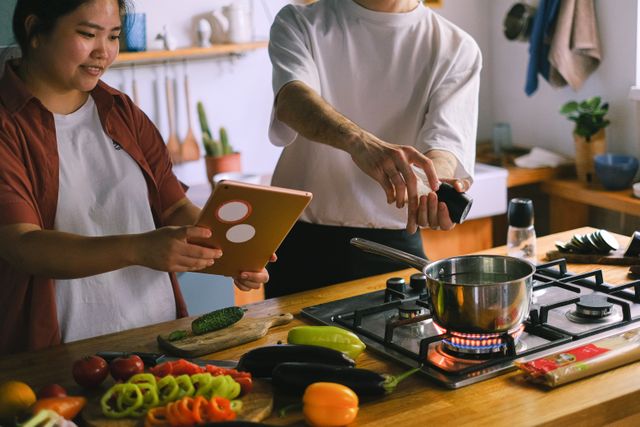
The kitchen has always been an important part of everyday life, but technology is changing what the modern kitchen can do. Connected appliances, smart refrigerators, artificial intelligence, nutrition applications, automated cooking devices, digital grocery platforms, and intelligent food-monitoring systems are gradually turning traditional kitchens into technology-enabled environments. What was once a space primarily used for preparing meals is increasingly becoming a place where people can plan, monitor, personalise, and manage their eating habits.
This transformation could have a significant impact on healthy eating. Technology can make it easier to identify ingredients, plan meals, monitor food supplies, reduce waste, and access nutritional information. Smart devices may also help people prepare meals according to their dietary preferences, cooking abilities, and schedules.
However, technology alone cannot guarantee a healthy diet. The quality of food still depends on individual choices, access to nutritious ingredients, cultural preferences, budget, and broader lifestyle factors. Smart kitchens may provide useful tools, but people will ultimately decide how those tools are used.
The future of healthy eating could therefore involve a combination of traditional food knowledge and digital technology. The kitchen may become more connected, personalised, and data-driven while still remaining a place where people cook, share meals, and develop relationships with food.
What Is a Smart Kitchen?
A smart kitchen is a kitchen where connected technology is used to improve cooking, food management, convenience, or efficiency. Smart appliances can communicate with mobile applications or other devices, allowing users to monitor and control certain functions remotely.
Smart refrigerators, for example, may provide information about stored food, while connected ovens can allow users to adjust cooking settings through digital interfaces. Smart cooking devices can guide users through recipes, automatically control temperatures, or monitor cooking times.
The concept extends beyond individual appliances. A truly connected kitchen could bring together food inventory, recipes, grocery shopping, nutrition information, meal planning, and cooking into a single digital ecosystem.
This integration could eventually influence not only how people cook but also how they decide what to eat.
Smart Refrigerators and Food Management
The refrigerator is one of the most important areas of potential innovation. Modern smart refrigerators can offer features designed to improve food organisation and monitoring.
Future systems may become increasingly capable of recognising stored ingredients and tracking how long different foods have been in the refrigerator. Instead of discovering that vegetables have spoiled after several days, users could receive reminders to use them.
Such technology could also support meal planning. If a refrigerator knows that a household has vegetables, grains, dairy products, or other ingredients available, a connected application could suggest recipes based on those items.
This could make healthy eating more practical because people would have an easier way to understand what food is already available at home. It could also reduce unnecessary grocery purchases and encourage households to use ingredients before they are wasted.
Artificial Intelligence and Personalised Meal Planning
Artificial intelligence could become one of the most influential technologies in the future kitchen. AI-powered systems can analyse large amounts of information and generate recommendations based on user preferences and available data.
A smart meal-planning system could potentially consider dietary preferences, cooking time, available ingredients, budget, household size, and nutritional goals when suggesting meals. Instead of searching through hundreds of recipes manually, users could receive recommendations that fit their specific circumstances.
For example, someone with limited time after work might receive suggestions for nutritious meals that require minimal preparation. A family could receive meal ideas based on ingredients already available at home.
Personalisation could make healthy eating easier by reducing the effort involved in deciding what to cook. The technology would not necessarily tell people exactly what they should eat, but it could provide information and options that make better choices more convenient.
Digital Nutrition Information
Nutrition labels provide valuable information, but interpreting them can sometimes be difficult. Smart kitchens could make nutritional information more accessible through connected devices and applications.
A digital cooking system could potentially display nutritional information for a recipe and allow users to understand how different ingredients contribute to the overall meal. Some platforms may also allow users to modify recipes and see how changes affect nutritional values.
This could support greater awareness of food choices. Someone preparing a meal might compare different ingredients and understand the nutritional differences between them.
However, nutrition is complex, and a single number or score cannot capture every aspect of a food’s value. Healthy eating involves dietary patterns, portion sizes, variety, and individual requirements. Technology should therefore provide context rather than reducing food choices to simplistic ratings.
Smart Cooking Appliances
Connected cooking appliances could also change the way people prepare meals. Smart ovens, cookers, air fryers, pressure cookers, and other devices can increasingly offer automated or guided cooking features.
A smart oven could monitor cooking conditions and adjust temperature or cooking time based on the selected food. A connected cooker could guide a user through each stage of a recipe.
For beginners, these features could make home cooking less intimidating. Someone who has limited cooking experience may be more willing to prepare meals when technology provides step-by-step guidance.
This could have implications for healthy eating because cooking at home gives people greater control over ingredients and preparation methods. Technology may make that process easier and more accessible.
The Rise of Connected Grocery Shopping
Smart kitchens could eventually become closely connected with online grocery services. When an appliance or food-management system identifies that certain ingredients are running low, it may be able to add them to a digital shopping list.
More advanced systems could potentially organise grocery lists based on planned meals. If a household selects a weekly meal plan, the system could identify the required ingredients and create a shopping list.
This could save time and reduce the likelihood of forgetting important ingredients. It may also encourage people to plan meals rather than relying on last-minute food choices.
However, convenience can influence purchasing behaviour in both positive and negative ways. Technology should ideally help people make informed decisions rather than simply encourage more consumption.
Smart Kitchens and Food Waste
Food waste is another area where technology could make a meaningful difference. Households often throw away food because they forget what they purchased, misunderstand freshness dates, or buy more than they can use.
Connected inventory systems could provide reminders about ingredients that need to be consumed. Recipe recommendations could then help households use those ingredients before they become unusable.
Artificial intelligence could also analyse household consumption patterns and help people understand which foods are frequently purchased but rarely consumed.
Reducing food waste can have environmental and financial benefits. A kitchen that helps people buy and use food more efficiently could therefore contribute to more sustainable eating habits.
Technology Could Make Healthy Cooking More Convenient
One of the biggest challenges associated with healthy eating is convenience. When people are busy, they may choose meals that require less preparation even if those meals do not align with their nutritional preferences.
Smart kitchen technology could address part of this challenge by reducing the time and effort involved in cooking. Automated appliances, guided recipes, ingredient tracking, and meal planning could make home cooking easier.
This does not mean that technology will eliminate the effort required to prepare nutritious meals. Instead, it can reduce some of the organisational barriers that discourage people from cooking.
Convenience may become one of the most important factors determining whether smart kitchens influence eating habits. The healthier option becomes more practical when technology helps make it easier to prepare.
Smart Kitchens and Different Dietary Needs
Technology could also support people with specific dietary preferences or requirements. A connected meal-planning system could potentially filter recipes according to selected ingredients or preferences.
For example, users may want vegetarian, vegan, gluten-free, lactose-free, low-sodium, or other specialised recipes. A digital system could help organise suitable meal options and identify ingredients that meet selected criteria.
However, people with medical conditions or medically prescribed diets should not rely solely on automated recommendations. Technology can assist with organisation and information, but personalised medical or nutritional guidance may require qualified professionals.
This distinction will become increasingly important as smart kitchen systems become more sophisticated. A recommendation generated by software should not automatically be treated as professional medical advice.
Smart Kitchens Could Encourage Cooking Education
Technology can also make the kitchen a learning environment. Digital recipes can teach people how to prepare unfamiliar foods, understand cooking techniques, and experiment with different ingredients.
For children and young adults, interactive cooking systems could potentially introduce basic food preparation and nutrition concepts. Instead of simply following a recipe, users could learn why certain cooking methods are used and how ingredients change during preparation.
This could help strengthen food literacy. Knowing how to prepare simple meals, understand ingredients, read labels, and plan food purchases can be valuable life skills.
The future kitchen may therefore combine cooking with education, making food preparation more interactive and accessible.
The Role of Health and Fitness Apps
Smart kitchens are likely to become increasingly connected with health and fitness applications. A person’s activity data, meal records, grocery choices, and cooking habits could potentially be integrated into a broader digital wellness ecosystem.
For example, a fitness application may record activity levels while a nutrition platform records meals. A smart kitchen could use this information to suggest recipes that fit the user’s selected goals.
However, greater data collection also creates privacy considerations. Food preferences, health information, purchasing patterns, and lifestyle data can be sensitive. Consumers will need to understand how their information is collected, stored, and shared.
Technology companies will therefore have an important responsibility to provide transparent privacy controls and protect user data.
Could Technology Change Our Relationship With Food?
Perhaps the most interesting question is whether smart kitchens could change not only how people prepare food but also how they think about eating.
A highly connected kitchen could make food more measurable. Calories, nutrients, ingredients, cooking times, shopping patterns, and consumption habits could all become data points.
This can be useful for people who enjoy tracking information, but excessive measurement could also make eating feel overly complicated. Food is not simply a collection of numbers. It is connected with culture, family, celebration, tradition, comfort, social relationships, and personal enjoyment.
The best smart kitchen technology should therefore support healthy decision-making without removing the human side of eating.
Traditional Cooking and Smart Technology Can Coexist
The rise of smart kitchens does not mean traditional cooking methods will disappear. Many people value recipes passed down through generations, regional ingredients, traditional techniques, and shared family meals.
Technology can complement these traditions rather than replace them. A smart device can provide cooking instructions while a family continues preparing a traditional recipe. A digital platform can help preserve recipes by recording ingredients and preparation methods.
This combination of technology and tradition could make future kitchens more diverse rather than less personal.
The Environmental Potential of Smart Kitchens
Smart kitchen technology may also contribute to more sustainable food practices. Better inventory management can reduce waste, while energy-efficient appliances can potentially reduce resource consumption.
Digital systems may also help households plan meals around available ingredients, reducing unnecessary purchases. Technology could eventually provide more information about food sourcing, packaging, seasonality, and environmental impact.
However, the environmental benefits of smart technology will depend on how devices are designed, manufactured, used, and eventually disposed of. A connected kitchen is not automatically sustainable simply because it uses advanced technology.
Sustainability will require consideration of the entire lifecycle of appliances and digital systems.
Challenges of the Smart Kitchen
Despite its potential, the smart kitchen will face several challenges. Cost is one of the most obvious barriers. Advanced appliances can be expensive, and not every household can afford to replace existing equipment with connected alternatives.
Technology can also introduce complexity. Devices from different manufacturers may not always work seamlessly together. Software updates, connectivity problems, technical failures, and cybersecurity risks can affect the user experience.
There is also the risk of overdependence on technology. People should retain basic cooking, food safety, and nutritional knowledge even when digital tools are available.
The goal should be to make technology a useful assistant rather than making everyday food decisions completely dependent on automated systems.
The Future of Healthy Eating in a Smart Kitchen
The future kitchen could become a highly personalised environment where technology supports nearly every stage of food preparation. Artificial intelligence may help plan meals, smart refrigerators may monitor ingredients, connected appliances may guide cooking, and digital platforms may organise grocery purchases.
Such systems could make healthy eating more convenient and reduce some of the barriers associated with meal planning and home cooking. They could also help households waste less food and better understand their eating patterns.
However, the success of smart kitchens will depend on how thoughtfully these technologies are developed. Convenience should not come at the expense of privacy, affordability, cultural diversity, food enjoyment, or human decision-making.
The healthiest kitchen may ultimately be one where technology simplifies good choices while leaving room for personal preferences and human judgment.
Conclusion
Smart kitchens represent an emerging intersection between technology, food, health, and everyday life. Connected appliances, artificial intelligence, digital nutrition tools, smart refrigerators, automated cooking systems, and online grocery platforms have the potential to change how people plan, prepare, and manage food.
The greatest opportunity may lie in making healthy eating more convenient. When technology can help people understand what they have at home, plan meals, reduce food waste, discover recipes, and simplify cooking, it can remove some of the practical barriers that make healthy eating difficult.
At the same time, technology should not be treated as a replacement for knowledge or personal responsibility. Food is more than nutritional data, and healthy eating is more than following an automated recommendation. Culture, enjoyment, affordability, accessibility, and individual circumstances will continue to influence what people eat.
The kitchen of the future may therefore be neither completely traditional nor entirely automated. It may combine family recipes with artificial intelligence, fresh ingredients with connected appliances, and human creativity with digital assistance.
As technology becomes increasingly integrated into everyday life, the smart kitchen could become more than a collection of connected devices. It could become a practical environment that helps people make informed food choices, cook with greater confidence, waste less, and build healthier eating habits while keeping the human experience of food at the centre.
Online Internship with Certificate
You may be interested

First-Pass Metabolism of Nutrients: Intestine and Liver Transform What We Eat
Anshika Jain - October 15, 2026The journey of nutrients does not end when food has been digested and absorbed. Before many nutrients reach the wider circulation and become available to tissues throughout…

Endocrine Architecture of Eating: Gut Hormones Coordinate Nutrient Processing
Anshika Jain - October 15, 2026Eating is often understood as a simple response to hunger or a way to obtain energy. In reality, food intake is regulated by a sophisticated biological communication…

Metabolic Cost of Digestion: Diet-Induced Thermogenesis Beyond Calorie Intake
Anshika Jain - October 15, 2026Food provides the energy required to maintain body temperature, support physical activity, regulate organ function, and sustain cellular processes. However, the energy obtained from food is not…
Most from this category



Enterohepatic Circulation of Nutrients: Intestine Coordinate Metabolic Recycling
Anshika Jain - October 15, 2026

Food Matrix Effects: Food Can Matter as Its Nutrient Composition
Anshika Jain - October 15, 2026Biology of Nutrient Competition: Minerals Interact During Absorption
Anshika Jain - October 15, 2026Enterohepatic Circulation of Nutrients: Intestine Coordinate Metabolic Recycling
Anshika Jain - October 15, 2026



Food Matrix Effects: Food Can Matter as Its Nutrient Composition
October 15, 2026
.png)
Leave a Comment
You must be logged in to post a comment.