
The New Health Influencer: How Social Media Is Changing the Way People Learn About Wellness

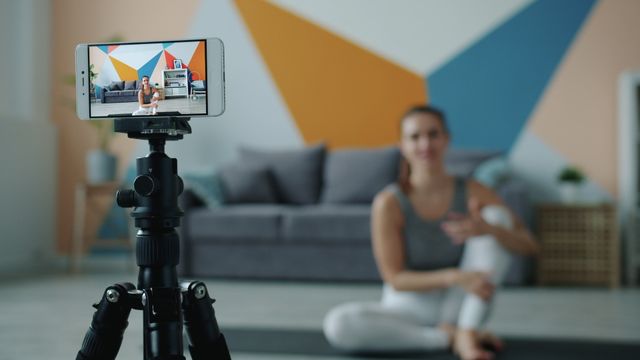
The way people learn about health and wellness has changed significantly with the rise of social media. In the past, individuals often depended on doctors, newspapers, television programs, books, fitness professionals, and traditional health publications for information about nutrition, exercise, mental well-being, and healthy lifestyles. Today, a person can open a smartphone and find thousands of videos, posts, podcasts, tutorials, personal stories, and wellness discussions within seconds.
This transformation has created a new kind of health communicator: the social media health influencer. These individuals may be doctors, nutrition professionals, fitness trainers, psychologists, wellness educators, athletes, content creators, or ordinary people sharing their personal experiences. Some provide educational content based on professional knowledge, while others document their own lifestyle journeys and offer advice based on personal experience.
Social media has made wellness information more accessible and engaging, but it has also introduced new challenges. The popularity of a post does not necessarily determine whether its information is accurate. Algorithms can amplify sensational claims, personal testimonials can appear more convincing than scientific evidence, and commercial interests can influence the content people see.
As a result, the rise of the health influencer is changing not only how people learn about wellness but also how they decide which information to trust.
From Health Experts to Digital Health Creators
Traditional health education generally followed a top-down model. A professional or institution produced information, and the public consumed it through established channels. Social media has made this communication much more interactive.
A health professional can now explain a complex topic through a short video, answer common questions through comments, conduct a live session, or publish educational content for a global audience. A fitness trainer can demonstrate exercises, while a nutrition educator can explain how different foods fit into a balanced diet.
This accessibility has changed the relationship between experts and audiences. People no longer have to wait for a television program or purchase a specialised book to learn about a health topic. Information can appear directly in their social media feeds.
At the same time, the digital environment has expanded the number of people presenting themselves as wellness authorities. This makes it increasingly important for audiences to understand the difference between professional expertise, personal experience, and commercial promotion.
Why Health Content Performs Well on Social Media
Health and wellness are naturally suited to visual and interactive digital platforms. A short video can demonstrate an exercise, explain a recipe, show a meditation technique, or introduce a lifestyle habit within a few minutes.
Social media also encourages highly relatable storytelling. Instead of reading a general statement about fitness, viewers may watch someone describe how they incorporated walking into their daily routine. Personal stories can make information feel more understandable because they connect abstract ideas with real experiences.
The visual nature of social platforms also makes wellness content easy to consume. Infographics, short videos, before-and-after images, recipes, workout demonstrations, and educational animations can simplify complex topics.
However, simplification can sometimes become oversimplification. Health issues often involve multiple factors, and a short video may not provide enough context to explain them responsibly.
The Appeal of Personal Wellness Stories
One of the strongest features of social media health content is the personal story. People often connect with individuals who share their experiences with exercise, food, stress, sleep, lifestyle changes, or other aspects of wellness.
Personal stories can encourage people to consider healthier behaviours and reduce the feeling that wellness is something reserved for experts or professional athletes. Seeing an ordinary person build a walking routine or learn a new form of exercise can make healthy activities seem more approachable.
However, personal experience is not the same as scientific evidence. What works for one person may not produce the same outcome for another. Individual health conditions, genetics, medications, lifestyle factors, and other circumstances can influence outcomes.
A personal success story can therefore be inspiring without necessarily serving as a universal recommendation.
The Rise of Short-Form Health Education
Short-form video has transformed the way health information is consumed. Platforms built around short videos encourage creators to communicate ideas quickly, often within a minute or a few minutes.
This format can be useful for introducing basic concepts. A creator can explain a simple exercise, demonstrate a stretching technique, or provide a general overview of a wellness topic.
The challenge is that complex subjects do not always fit into short formats. Nutrition, mental health, chronic conditions, medical treatments, and exercise science can require substantial context.
Short-form content can therefore work best as an entry point to learning rather than the only source of information. A viewer may discover a topic through social media and then explore reliable educational resources or discuss personal concerns with an appropriate professional.
Algorithms and the Wellness Information Bubble
Social media platforms use recommendation systems to determine which content users are likely to engage with. When someone repeatedly watches fitness videos, follows nutrition creators, or interacts with wellness posts, the platform may show them more similar content.
This can make learning highly personalised. Users can discover communities and topics that match their interests. However, personalisation can also create information bubbles.
If a person repeatedly interacts with one type of wellness content, they may see increasingly similar opinions while encountering fewer alternative perspectives. This can create the impression that a particular health belief is universally accepted when it may actually be controversial, incomplete, or unsupported.
The algorithm is primarily designed to recommend engaging content, not necessarily to determine whether a health claim is scientifically reliable. This distinction is important when evaluating wellness information online.
The Difference Between Education and Promotion
The relationship between health content and commercial activity is another important issue. Social media influencers may earn money through advertising, sponsorships, affiliate links, subscriptions, courses, products, or brand partnerships.
Commercial relationships do not automatically make health content unreliable. Many professionals and creators legitimately earn income from their expertise. However, audiences should understand when content is promotional.
A recommendation for a supplement, fitness product, diet program, skincare product, or wellness service may be influenced by commercial incentives. Responsible consumers should therefore consider the evidence behind a claim rather than relying only on the popularity or personality of the creator.
Transparency about sponsorships and financial relationships can help audiences understand the context in which recommendations are being presented.
Wellness Trends Can Spread Very Quickly
Social media has dramatically increased the speed at which wellness trends spread. A particular diet, exercise challenge, supplement, breathing technique, or lifestyle routine can reach millions of people in a short period.
Some trends encourage harmless and enjoyable activities. Others may promote restrictive behaviours, unrealistic expectations, or unsupported health claims.
The speed of digital communication means that people can begin following a trend before reliable information about its benefits and limitations becomes widely available. This makes critical thinking increasingly important.
A popular wellness trend should not automatically be considered effective simply because thousands of people are discussing it. Popularity indicates attention, not necessarily scientific validity.
The Role of Doctors and Health Professionals Online
Healthcare professionals are increasingly using social media as an educational platform. Doctors, dietitians, physiotherapists, psychologists, researchers, and other professionals can communicate directly with the public.
Their presence can help address misinformation and make reliable information easier to understand. A professional may explain common misconceptions, discuss general health principles, or point audiences toward trustworthy resources.
However, even professional social media content has limitations. Online posts are generally not a substitute for an individual medical consultation. A general explanation cannot account for every person’s medical history, symptoms, medications, or circumstances.
The most responsible health content therefore recognises its boundaries rather than presenting general information as personalised medical advice.
How Social Media Is Changing Fitness Learning
Fitness education has been particularly transformed by social media. Beginners can now access exercise demonstrations, home workouts, mobility routines, yoga sessions, strength-training tutorials, and sports-related content from anywhere.
This has lowered the barrier to discovering different forms of physical activity. Someone who has never visited a gym can learn basic movements online. Another person may discover yoga, Pilates, dance, running, cycling, or bodyweight training through a creator.
Digital fitness content can also make exercise more engaging. Challenges, progress videos, virtual communities, and interactive content can encourage people to remain interested in physical activity.
Nevertheless, proper technique and individual suitability remain important. Watching a movement online does not guarantee that someone is performing it correctly or that the exercise is appropriate for their body and experience level.
Nutrition Content and the Search for Simple Answers
Nutrition is another area where social media has had a major influence. Recipes, meal-preparation videos, food comparisons, diet discussions, and nutritional explanations are widely shared.
This can make healthy eating feel more accessible. People can discover new ingredients, cooking techniques, meal ideas, and ways to include different foods in their diets.
At the same time, nutrition content can become overly simplified. Statements such as “this food is good” or “that food is bad” often ignore the broader context of dietary patterns, portion sizes, individual needs, and overall lifestyle.
The popularity of extreme dietary claims demonstrates the need for balanced information. Healthy eating is rarely determined by one food or one ingredient. It is generally influenced by the overall pattern of eating and a person’s individual circumstances.
Mental Wellness on Social Platforms
Social media has also changed how people discuss mental well-being. Topics such as stress, burnout, mindfulness, emotional boundaries, sleep, loneliness, self-care, and personal development are now frequently discussed online.
This visibility can help reduce the sense that people must keep every emotional difficulty private. Educational content may introduce viewers to concepts they had never encountered before.
However, mental health terminology can sometimes be used casually or inaccurately. Online discussions may blur the distinction between ordinary emotional experiences and clinically significant conditions.
People experiencing persistent or serious mental-health difficulties should not rely solely on social media content. Professional assessment and support may be appropriate depending on the circumstances.
The Importance of Health Literacy
As social media becomes a major source of wellness information, health literacy becomes increasingly important. Health literacy involves being able to find, understand, evaluate, and use health information appropriately.
A digitally informed wellness consumer should consider who created a piece of content, what qualifications they have, whether the information is supported by credible evidence, and whether the claim is being presented as a personal experience or a general fact.
It is also useful to look beyond a single post. If a health claim appears surprising or extreme, checking information from reputable medical institutions, government health agencies, professional organisations, or peer-reviewed research can provide additional context.
The ability to question information does not mean rejecting everything found online. It means learning to distinguish useful educational content from unsupported claims.
Social Media Can Make Wellness More Inclusive
Despite its challenges, social media has created important opportunities for inclusion. Traditional fitness and wellness spaces have sometimes been associated with narrow ideas about appearance, age, body type, or physical ability.
Digital creators can present a wider range of experiences and demonstrate that physical activity and wellness can look different for different people. Older adults, people with disabilities, beginners, individuals with different body types, and people from diverse cultural backgrounds can find communities that reflect their experiences.
This broader representation can help make wellness feel less exclusive. It can shift the conversation away from a single ideal appearance and toward health, movement, functionality, confidence, and quality of life.
The Future of the Health Influencer
The health influencer of the future may be less about simply having a large following and more about providing trustworthy, useful, and transparent information. Audiences are becoming more aware of misinformation, sponsorships, exaggerated claims, and unrealistic wellness expectations.
Technology may also change how health education is delivered. Artificial intelligence, personalised recommendation systems, wearable devices, interactive learning tools, and digital health platforms could create increasingly customised educational experiences.
However, technological sophistication will not remove the need for human judgment. Health information will still require context, professional expertise, evidence, and an understanding of individual circumstances.
The most valuable digital health creators may therefore be those who combine accessibility with responsibility. Instead of promising perfect health or instant transformation, they can help audiences understand concepts, ask better questions, and make informed decisions.
Becoming a Smarter Consumer of Wellness Content
The growing influence of social media does not mean people should stop learning about health online. Digital platforms can be valuable educational resources when used thoughtfully.
The key is to treat social media as one part of a broader information environment. A creator can introduce a topic, demonstrate an exercise, share a recipe, or explain a general concept. More detailed questions can then be explored through reliable sources or discussed with an appropriately qualified professional.
It is also important to recognise emotional persuasion. A confident speaker, attractive presentation, impressive transformation, or large follower count can make information feel more credible than it actually is. Separating the presentation from the evidence can help users make better-informed decisions.
Conclusion
The rise of the health influencer has fundamentally changed how people discover and discuss wellness. Social media has made health information faster, more visual, more interactive, and more accessible than ever before. Fitness routines, nutrition ideas, mindfulness practices, sleep advice, personal stories, and professional explanations can reach audiences around the world within seconds.
This transformation offers significant opportunities. People can discover new activities, connect with supportive communities, learn from qualified professionals, and become more engaged with their own well-being. At the same time, the digital wellness environment requires careful evaluation because popularity, personal experience, and commercial success do not automatically establish the accuracy of a health claim.
The future of wellness education will therefore depend not only on who creates health content but also on how audiences consume it. Digital health literacy, critical thinking, transparency, and evidence-based information will become increasingly important.
The new health influencer is not simply changing what people learn about wellness. They are changing where people learn, whom they listen to, and how health information becomes part of everyday life. In this new environment, the most valuable skill may not be following the latest wellness trend, but learning how to recognise information that deserves attention, question information that lacks context, and make health decisions based on reliable knowledge and individual needs.
Online Internship with Certificate
You may be interested
First-Pass Metabolism of Nutrients: Intestine and Liver Transform What We Eat
Anshika Jain - October 15, 2026The journey of nutrients does not end when food has been digested and absorbed. Before many nutrients reach the wider circulation and become available to tissues throughout…

Endocrine Architecture of Eating: Gut Hormones Coordinate Nutrient Processing
Anshika Jain - October 15, 2026Eating is often understood as a simple response to hunger or a way to obtain energy. In reality, food intake is regulated by a sophisticated biological communication…

Metabolic Cost of Digestion: Diet-Induced Thermogenesis Beyond Calorie Intake
Anshika Jain - October 15, 2026Food provides the energy required to maintain body temperature, support physical activity, regulate organ function, and sustain cellular processes. However, the energy obtained from food is not…
Most from this category


Enterohepatic Circulation of Nutrients: Intestine Coordinate Metabolic Recycling
Anshika Jain - October 15, 2026

Food Matrix Effects: Food Can Matter as Its Nutrient Composition
Anshika Jain - October 15, 2026Biology of Nutrient Competition: Minerals Interact During Absorption
Anshika Jain - October 15, 2026Enterohepatic Circulation of Nutrients: Intestine Coordinate Metabolic Recycling
Anshika Jain - October 15, 2026



Food Matrix Effects: Food Can Matter as Its Nutrient Composition
October 15, 2026
.png)
Leave a Comment
You must be logged in to post a comment.