
Microbial Metabolite Signatures: Bacterial Byproducts Have Biological Effects

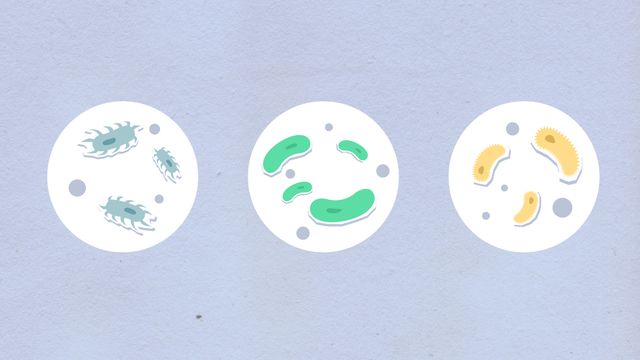
The human gut contains a diverse community of microorganisms that actively participate in digestion, nutrient transformation and communication with the rest of the body. Although bacteria are often studied in terms of their abundance and diversity, their biological importance also depends on the chemical compounds they produce. These compounds, known as microbial metabolites, emerge when microorganisms break down dietary components, interact with one another or transform substances already present in the intestinal environment. Some remain primarily within the digestive tract, while others can enter circulation and interact with organs and tissues located far beyond the intestine.
Microbial metabolites include short-chain fatty acids, bile acid derivatives, tryptophan metabolites, vitamins, amino acid breakdown products and numerous other compounds. Their effects can extend to the liver, immune system, nervous system, kidneys and cardiovascular tissues. For example, short-chain fatty acids produced through microbial fermentation are involved in intestinal energy metabolism and immune signalling. Certain microbial transformations of bile acids influence pathways associated with liver and metabolic function, while tryptophan-derived compounds can interact with receptors involved in immune and neurological processes.
However, identifying which microbial metabolites produce meaningful biological effects outside the gut is difficult. The same compound may have different effects depending on its concentration, chemical structure, location, exposure duration and the condition of the receiving tissue. Furthermore, a metabolite detected in a stool sample does not necessarily enter the bloodstream or reach another organ in a biologically significant quantity.
Artificial intelligence could help address these challenges through an emerging research approach called Microbial Metabolite Signatures. By combining microbiome sequencing, metabolomics, clinical measurements and computational modelling, AI could identify patterns connecting bacterial activity with chemical changes and biological responses across different organs. This approach may help researchers distinguish microbial byproducts that simply indicate bacterial activity from those that participate in wider physiological processes.
Understanding Microbial Metabolites and Their Biological Significance
Microbial metabolites are chemical substances produced, consumed or modified by microorganisms. In the human intestine, bacteria use nutrients from food, host secretions and other microbial products to support their metabolic activities. During these processes, they generate compounds that influence the surrounding ecosystem.
Some metabolites are produced directly by bacterial fermentation. Others emerge through complex chemical transformations involving multiple microbial species. A bacterium may convert one dietary compound into an intermediate substance, which another microorganism subsequently transforms into a different metabolite. Consequently, the final chemical profile of the intestine often reflects the combined activities of several microbial populations.
These compounds can influence the gut environment by affecting acidity, nutrient availability, microbial competition and epithelial activity. However, their biological importance is not necessarily limited to the intestine. Certain metabolites can cross the intestinal barrier, enter portal circulation and undergo further processing in the liver. Others may influence intestinal nerve endings, immune cells or endocrine signalling pathways.
The concept of microbial metabolite signatures focuses on identifying combinations of these compounds that are associated with specific biological processes. Instead of examining one metabolite in isolation, researchers could investigate how multiple microbial products appear together, how their concentrations change and whether these patterns correspond with measurable responses in distant organs.
Major Categories of Microbial Metabolites That May Influence Other Organs
Understanding the chemical diversity of microbial metabolites is essential for investigating their effects beyond the digestive tract. Different compounds interact with biological systems through different pathways, and their effects depend on both microbial production and the body’s ability to absorb, transport and transform them.
Short-Chain Fatty Acids and Systemic Signalling
Short-chain fatty acids are among the most extensively studied microbial metabolites. They are primarily produced when intestinal bacteria ferment dietary fibres and other carbohydrates that escape digestion in the small intestine. The major short-chain fatty acids include acetate, propionate and butyrate.
These compounds have important functions within the colon. Butyrate serves as a major energy source for colonocytes, the epithelial cells lining the large intestine. Short-chain fatty acids can also interact with specific receptors and influence signalling pathways involved in immune regulation, metabolic activity and cellular communication.
Some short-chain fatty acids are absorbed and may enter circulation, although their concentrations change substantially as they pass through intestinal tissues and the liver. Acetate, for example, can be detected in systemic circulation and may participate in metabolic processes in peripheral tissues. Propionate undergoes considerable processing in the liver, while much of the butyrate produced in the colon is consumed locally by intestinal cells.
AI could help researchers investigate how differences in dietary fibre, bacterial composition and fermentation activity correspond with circulating short-chain fatty acid profiles. By comparing these measurements with metabolic and immune markers, models may identify patterns associated with biological responses outside the intestine.
Bile Acid Derivatives and Liver Communication
Bile acids are produced by the liver and released into the intestine to support fat digestion and absorption. Gut bacteria modify primary bile acids through processes such as deconjugation and other chemical transformations, producing secondary bile acids and additional derivatives.
These microbial modifications can change how bile acids interact with biological receptors. Certain bile acid derivatives influence pathways involving the farnesoid X receptor and the G protein-coupled bile acid receptor known as TGR5. These receptors participate in processes related to bile acid regulation, metabolic signalling and immune activity.
The relationship between gut bacteria and bile acids is particularly important because the liver and intestine are connected through the enterohepatic circulation. Bile acids travel between these organs, and microbial transformations can influence the composition of the bile acid pool.
AI could analyse microbiome data alongside detailed bile acid measurements to identify which bacterial communities are associated with specific chemical profiles. It may also help predict how changes in microbial metabolism correspond with differences in bile acid signalling.
This research could improve understanding of gut–liver communication and the role of microbial metabolism in broader metabolic processes. However, individual bile acid derivatives may have different biological effects, and their significance cannot be determined through concentration measurements alone.
Tryptophan Metabolites and Immune–Nervous System Interactions
Tryptophan is an essential amino acid obtained through the diet. Both human cells and gut microorganisms participate in its metabolism, producing several compounds with different biological functions.
Gut bacteria can transform tryptophan into indole and related derivatives. Some of these compounds can interact with the aryl hydrocarbon receptor, a signalling system involved in immune regulation and tissue responses. Other tryptophan metabolites may influence intestinal barrier function or interact with metabolic pathways in different tissues.
The relationship between microbial tryptophan metabolism and the nervous system is also an important research area. Certain microbial products may influence communication between the intestine, immune system and nervous system, although the pathways are complex and do not always involve direct movement of metabolites into the brain.
AI could combine dietary information, microbial gene profiles, metabolomic measurements and immune-related markers to identify patterns associated with tryptophan metabolism. Such models may help distinguish microbial pathways from human metabolic processes and investigate which compounds are associated with particular biological responses.
Vitamins and Amino Acid-Derived Compounds
Gut microorganisms can synthesise or modify several vitamins, including certain B vitamins and vitamin K-related compounds. However, the production of a vitamin by bacteria does not guarantee that the human body can absorb it in a useful quantity. Its availability depends on the location of production, intestinal absorption, chemical form and other physiological factors.
Microorganisms also transform amino acids into compounds such as branched-chain fatty acids, amines and other nitrogen-containing metabolites. Some of these substances may be involved in host signalling, while others can become relevant in the context of metabolic imbalance or disease research.
AI could examine these diverse compounds through metabolomic profiling and connect them with microbial metabolic pathways. This may help researchers determine which bacterial functions are associated with specific chemical products and whether those products correspond with measurable changes in distant tissues.
Why Identifying Biological Effects Beyond the Gut Is Difficult
Detecting a microbial metabolite does not automatically establish that it has an effect on another organ. Several biological processes determine whether a compound can move from the intestine into circulation and reach a target tissue.
The first challenge is absorption. Some metabolites are readily absorbed through intestinal epithelial cells, while others remain within the gut or are transformed before entering circulation. Even when a compound is absorbed, the liver may rapidly modify or remove it. This means that the concentration measured in stool may be very different from the concentration reaching the bloodstream.
The second challenge is chemical transformation. A metabolite produced by bacteria may be converted into another substance by intestinal cells, liver enzymes or other tissues. Consequently, the compound responsible for a biological response may not be the original microbial product but a downstream metabolite.
The third challenge is biological specificity. A compound may interact with several receptors and pathways, and its effect can depend on concentration. A metabolite that supports one biological process at a particular level may have a different effect at a higher concentration or in another physiological environment.
Finally, the human body produces many metabolites independently of gut microorganisms. Some compounds detected in blood or urine may originate from food, human metabolism, medication or environmental exposure. Researchers must identify the contribution of microbial activity rather than assuming that every associated chemical compound is bacterial in origin.
Microbial Metabolite Signatures could help address these difficulties by analysing multiple sources of biological evidence together.
How Artificial Intelligence Could Identify Microbial Metabolite Signatures
AI could provide a framework for integrating complex datasets and investigating the relationships between bacterial activity, chemical production and distant biological responses. Its value would come from combining different types of information rather than relying on a single measurement.
Integrating Microbiome Sequencing With Metabolomics
Microbiome sequencing helps researchers identify which microorganisms are present and, through suitable approaches, what metabolic capabilities they may possess. Metabolomics measures small molecules in biological samples, including stool, blood and urine.
Combining these technologies could help connect microbial communities with their chemical products. For example, researchers may identify bacteria containing genes associated with a particular metabolic pathway and then examine whether the corresponding metabolites are detected in stool or blood samples.
Machine learning could analyse these datasets to identify recurring relationships between microbial genes, bacterial populations and metabolite concentrations. This may reveal microbial functions that are associated with particular chemical signatures even when the exact responsible organism is not immediately clear.
However, the presence of a metabolic gene does not prove that the gene is active. Metatranscriptomics and other functional measurements may be required to determine whether a microbial pathway is being expressed under specific conditions.
Distinguishing Microbial Products From Host Metabolism
One of the most important applications of AI could be separating microbial contributions from compounds produced or modified by human cells. Many metabolites are generated through overlapping microbial and host pathways, making their origins difficult to establish through ordinary concentration measurements.
AI could combine microbial genomic data, host gene-expression profiles, dietary records and metabolomic measurements to estimate the possible contribution of different biological sources.
For example, a particular chemical compound may increase after a dietary change. Researchers could examine whether the change corresponds with increased abundance of bacteria carrying relevant metabolic genes, altered expression of host enzymes or both.
Advanced statistical models may help identify the most likely contributing pathways. Nevertheless, source attribution often requires additional experiments, such as isotope tracing, controlled microbial cultures or studies using defined microbial communities.
Connecting Metabolites With Distant Organ Systems
To understand whether microbial products have biological effects beyond the gut, researchers need to investigate how they relate to measurable changes in other organs.
AI could combine circulating metabolite concentrations with liver-function measurements, metabolic markers, immune profiles, cardiovascular measurements and other organ-specific data. This may help identify patterns in which particular microbial metabolite signatures are consistently associated with changes in distant biological systems.
For example, researchers could investigate whether specific bile acid profiles are associated with liver-related metabolic measurements or whether certain circulating microbial metabolites correspond with changes in immune signalling.
Machine learning models could also analyse relationships across time, helping distinguish temporary fluctuations from persistent patterns. Longitudinal studies are particularly important because microbial activity and metabolite concentrations can change according to diet, medication, illness and other environmental factors.
These analyses could identify potential biological connections, but association alone cannot establish that a microbial metabolite directly caused a change in another organ.
Building Metabolic Interaction Networks
Microbial metabolism is rarely a collection of isolated reactions. Different bacteria may participate in connected pathways, with one microorganism producing a substance that becomes the starting material for another organism’s metabolism.
AI could represent these relationships as metabolic networks. In such models, microorganisms, enzymes, chemical compounds and host pathways can be connected through predicted or experimentally established reactions.
Graph-based machine learning may help identify important compounds. That connect multiple microbial pathways or link microbial metabolism with host biological processes. Researchers could use these networks to investigate which metabolites. Act as central intermediates and which microbial populations contribute to their production.
This approach may be particularly useful when several bacterial species collectively produce a compound that cannot be attributed to a single organism.
Exploring the Gut–Organ Axis Through Microbial Metabolites
The biological effects of microbial metabolites are increasingly investigated through the concept of the gut–organ axis. This describes communication between the intestinal environment and other organs through metabolic, immune, endocrine and neural pathways.
Gut–Liver Axis
The gut and liver are closely connected through portal circulation, which carries absorbed substances from the intestine to the liver. Microbial metabolites can therefore reach the liver and influence the chemical environment in which liver cells operate.
Bile acid derivatives, short-chain fatty acids and other microbial products are relevant to this relationship. AI could examine how bacterial metabolic pathways correspond with changes in circulating metabolites and liver-related measurements.
Such research may improve understanding of how microbial activity participates in liver metabolism and bile acid regulation. It could also help identify chemical signatures that deserve further investigation in studies of metabolic liver conditions.
Gut–Brain Axis
The gut–brain axis involves communication between the digestive system and the central nervous system through neural, endocrine, immune and metabolic pathways. Microbial metabolites may contribute to this communication by influencing intestinal cells, immune signalling and biochemical processes associated with nervous system function.
Tryptophan-derived metabolites and short-chain fatty acids are among the compounds being investigated in this context. Some microbial products may influence signalling pathways that affect neural or immune activity, although the mechanisms are complex and remain under investigation.
AI could combine microbiome profiles, metabolomics, immune measurements and neurological or behavioural research data to identify patterns associated with gut–brain communication.
However, it is important not to assume that microbial metabolites directly enter the brain or independently determine mood and behaviour. Their potential effects may involve several indirect pathways.
Gut–Immune Axis
Microbial metabolites can influence immune activity through interactions with intestinal epithelial cells, immune-cell receptors and signalling pathways. Certain short-chain fatty acids, for example, have been studied for their role in regulating immune-cell function and inflammatory responses.
Some metabolites may also affect immune activity outside the intestine if they enter circulation. AI could help researchers identify whether particular microbial chemical signatures correspond with changes in circulating immune markers or immune-cell characteristics.
This research could contribute to a more detailed understanding of how microbial metabolism participates in immune regulation throughout the body.
Potential Applications in Precision Nutrition and Healthcare Research
Microbial Metabolite Signatures could contribute to more advanced nutritional research by showing how different diets influence microbial chemistry rather than focusing only on food intake or bacterial composition.
Two individuals may consume similar amounts of fibre but produce different microbial metabolites because their gut microbial communities differ. One person may have a microbial community capable of efficiently fermenting a particular carbohydrate. While another may produce a different combination of fermentation products.
AI could investigate these differences by integrating dietary records, microbiome profiles and metabolomic measurements. This may help researchers understand why nutritional responses vary between individuals and identify the microbial pathways involved.
In healthcare research, metabolite signatures may eventually support the investigation of biological processes associated with metabolic, inflammatory and neurological conditions. A combination of microbial and host-derived measurements could potentially offer more information than a single clinical marker.
However, these applications remain dependent on scientific validation. Microbial metabolite signatures should not currently be treated as independent diagnostic tools or as a basis for changing medication or treatment. Their potential value lies in improving research into biological mechanisms and identifying patterns that can be tested through carefully designed clinical studies.
Challenges in Developing Reliable AI Models
Despite its potential, AI-based microbial metabolite research faces several important limitations. One major difficulty is the quality and consistency of metabolomic data. Different laboratories may use different analytical instruments, sample preparation methods and measurement standards. These differences can affect the comparability of results.
Another challenge is the large number of chemical compounds that remain unidentified or incompletely characterised. Metabolomic studies may detect signals that cannot be confidently matched to known substances. AI models trained on incomplete chemical databases may therefore produce uncertain predictions.
Dietary variation also complicates analysis. Food contains numerous compounds that can be absorbed directly, transformed by human enzymes or modified by gut bacteria. Researchers must distinguish these sources when investigating microbial contributions.
Biological variation is equally important. Age, medication, genetics, lifestyle and health conditions can influence microbial composition and metabolite concentrations. A model developed using one population may not produce equally reliable results in another.
The distinction between association and causation remains a central limitation. A metabolite may be associated with a particular organ-related marker without directly influencing that organ. Experimental models, isotope tracing and controlled human studies are needed to establish the biological pathways involved.
Finally, AI systems must be interpretable and reproducible. Researchers need to understand which variables influence a prediction and whether the same relationship can be observed in independent datasets. Without external validation, complex models may identify patterns that are specific to their original training data rather than general biological mechanisms.
The Future of Microbial Metabolite Intelligence
Future research may move towards integrated systems that combine microbiome sequencing, metatranscriptomics, metabolomics, proteomics and clinical measurements. These technologies could provide information about which microorganisms are present, which metabolic pathways are active. What chemical products are generated and how the human body responds to them.
One promising direction is the development of microbial–host metabolic digital twins. These computational models could represent selected microbial pathways alongside host metabolic processes and simulate how changes in diet or microbial activity might influence chemical production and circulation.
Researchers may also use AI to identify previously unknown metabolites and predict their possible biological targets. When combined with laboratory experiments, this could accelerate the discovery of microbial products that participate in communication between the gut and distant organs.
Longitudinal monitoring may become particularly important. Instead of collecting one stool or blood sample, future studies could examine how microbial metabolite signatures change over weeks or months in response to dietary patterns, medication exposure or other environmental conditions.
The most valuable development may be a shift from studying individual microorganisms towards understanding their chemical contributions to the whole body. This could provide a more complete explanation of how the gut microbiome participates in human physiology.
Conclusion
Microbial metabolites provide an important connection between gut microorganisms and the wider human body. Through the transformation of dietary compounds, bile acids, amino acids and other substances. Intestinal bacteria produce chemical products that may influence the liver, immune system, nervous system and metabolic processes.
Microbial Metabolite Signatures offer a promising way to investigate these relationships. By combining microbiome sequencing, metabolomics, host measurements and AI-based modelling. Researchers could identify patterns linking bacterial activity with chemical changes and biological responses beyond the intestine.
The greatest potential of this approach lies in distinguishing microbial presence from microbial function. Knowing which bacteria exist in the gut is useful, but understanding what they produce. How those compounds travel through the body and which biological pathways they influence may provide deeper insights into human health.
Although substantial challenges remain in identifying metabolites, establishing their origins and proving their effects. AI could make this research more integrated and precise. In the future, microbial metabolite intelligence may become an important part of precision nutrition, microbiome science and systems biology. Helping researchers understand how microscopic chemical interactions within the gut can participate in processes throughout the human body.
Online Internship with Certificate
You may be interested

Proprioceptive Health Intelligence: Brain Understands Body Position and Movement?
Anshika Jain - November 4, 2026Every movement performed by the human body depends on an intricate communication system that operates largely without conscious attention. Walking across a room, climbing stairs, maintaining balance,…

Neuroplasticity Mapping: Daily Experiences Reshape Learning and Cognitive Adaptation
Anshika Jain - November 4, 2026The human brain is continuously changing in response to everyday experiences. Learning a new language, practising a musical instrument, navigating an unfamiliar environment, solving complex problems, developing…
Digital Organoid Research: Miniature Lab-Grown Organs
Anshika Jain - November 4, 2026Understanding how the human body responds to food is more complicated than identifying the nutrients present in a meal. Two people consuming the same food may experience…
Most from this category
Epithelial Immunity Mapping: Intestinal Cells Coordinate With Immune System
Anshika Jain - November 4, 2026

Extracellular Matrix Intelligence: Body’s Structural Environment Affect Tissue Health
Anshika Jain - November 3, 2026
Bone Remodeling Analytics: Balance Between Bone Formation and Breakdown
Anshika Jain - November 3, 2026
Epithelial Immunity Mapping: Intestinal Cells Coordinate With Immune System
Anshika Jain - November 4, 2026Gut Virome Intelligence: Viruses Influence the Human Gut Ecosystem
Anshika Jain - November 4, 2026Extracellular Matrix Intelligence: Body’s Structural Environment Affect Tissue Health
Anshika Jain - November 3, 2026


Digital Organoid Research: Miniature Lab-Grown Organs
November 4, 2026

.png)
Leave a Comment
You must be logged in to post a comment.