

Extracellular Matrix Intelligence: Body’s Structural Environment Affect Tissue Health
Anshika Jain - November 3, 2026The human body is often understood through its cells, organs, genes and biochemical processes. However, cells do not function independently. They exist within a complex structural environment…
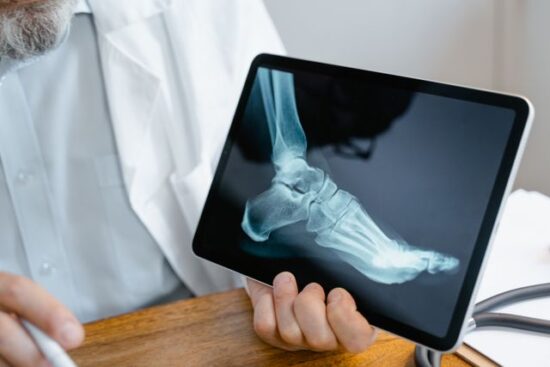
Bone Remodeling Analytics: Balance Between Bone Formation and Breakdown
Anshika Jain - November 3, 2026Bones are often considered rigid structures that provide support, protect internal organs and enable movement. However, the human skeleton is far more dynamic than it appears. Throughout…
Lymphatic System Intelligence: Hidden Role of Lymphatic Function in Health
Anshika Jain - November 3, 2026The human body depends on several interconnected systems to maintain internal balance, protect against infections and support the functioning of organs. While the cardiovascular, respiratory, digestive and…

Epigenetic Response Forecasting: Environmental Exposures Influence Gene Regulation
Anshika Jain - November 3, 2026Human health is influenced by more than inherited genetic information. Although DNA provides the biological instructions that guide the development and functioning of the body, the activity…

Organ Communication Intelligence: How Signals From One Organ Influence Another?
Anshika Jain - November 3, 2026The human body is not a collection of independent organs performing isolated functions. It is an interconnected biological network in which the heart, brain, liver, kidneys, lungs,…

Self-Care Stopping Rule: AI Recognize When a Lifestyle Experiment Should Stop
Anshika Jain - November 3, 2026Self-care has gradually evolved from a collection of everyday wellness practices into a highly personalised approach to managing lifestyle, productivity, sleep, nutrition, physical activity and emotional well-being.…

Food Substitution Equivalence: Can AI Find Plant-Based Alternatives
Anshika Jain - November 2, 2026The growing interest in plant-based eating has transformed how people think about nutrition, food production and everyday meal planning. Consumers are increasingly replacing animal-derived ingredients with plant-based…
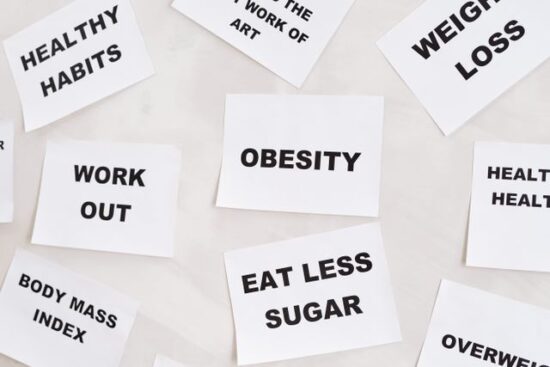
Wellness Placebo Effect: AI Separate Genuine Habit Improvements
Anshika Jain - November 2, 2026Digital wellness applications have changed how people approach everyday health management. From fitness trackers and meditation platforms to nutrition planners and sleep-monitoring applications, these technologies encourage users…
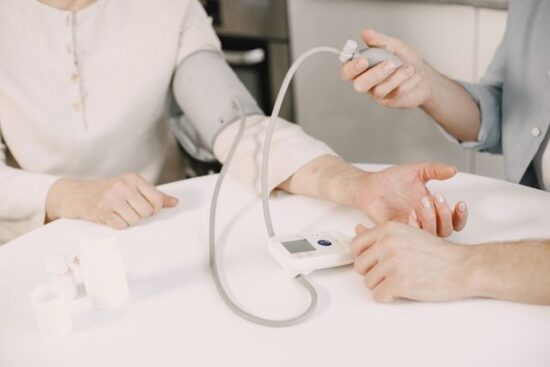
Preventive Care Access Prediction: Convenience Prevent People From Seeking Care
Anshika Jain - November 2, 2026Preventive healthcare plays an essential role in identifying potential health problems before they become more complicated or difficult to manage. Routine health assessments, vaccinations, dental examinations, screening…

Human-in-the-Loop Wellness AI: Self-Care Decisions
Anshika Jain - November 2, 2026Artificial intelligence is becoming an increasingly important part of personal wellness. Modern applications can analyse sleep patterns, monitor physical activity, estimate nutritional intake, identify behavioural trends and…
.png)