
Neuroplasticity Mapping: Daily Experiences Reshape Learning and Cognitive Adaptation

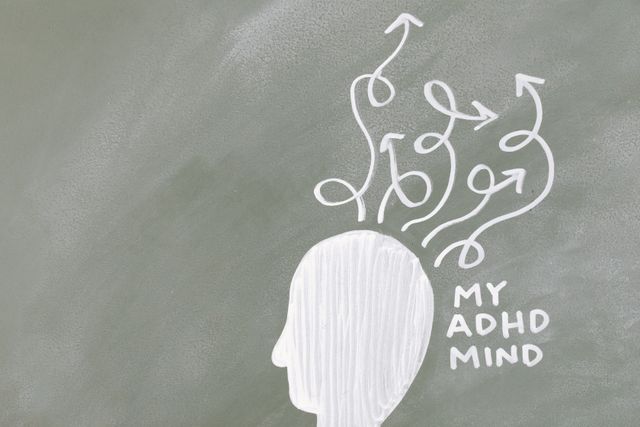
The human brain is continuously changing in response to everyday experiences. Learning a new language, practising a musical instrument, navigating an unfamiliar environment, solving complex problems, developing professional skills and even repeating routine activities can influence how the brain processes information. This ability to modify its structure and function in response to experience is known as neuroplasticity. Rather than remaining a fixed biological system, the brain adapts throughout life by reorganising neural connections, adjusting communication between neurons and strengthening or weakening particular pathways.
Although neuroplasticity has been studied for decades, understanding how ordinary daily experiences influence these changes remains a complex scientific challenge. Learning does not happen in isolation. It is shaped by repetition, attention, sleep, emotional experiences, physical activity, environmental conditions and individual differences. Two people following the same learning routine may develop different levels of proficiency because their brains respond differently to the same experiences.
Artificial intelligence (AI) could introduce new possibilities for studying these processes through a developing research approach called neuroplasticity mapping. By combining brain imaging, cognitive assessments, behavioural observations, wearable-device measurements and machine learning, researchers may be able to identify patterns associated with learning and cognitive adaptation over time. Instead of examining the brain at a single moment, AI-based systems could help analyse how neural activity and performance evolve through repeated experiences.
Neuroplasticity mapping is not yet a universal technology capable of directly measuring every change in the brain. However, advances in computational neuroscience, neuroimaging and longitudinal data analysis are creating opportunities to investigate the relationship between everyday experiences and brain adaptation more precisely.
Understanding Neuroplasticity as a Continuous Learning Process
Neuroplasticity refers to the brain’s ability to change its organisation, connections and functional activity in response to internal and external influences. These changes can occur at different biological levels, ranging from modifications in the strength of connections between neurons to larger-scale changes in the networks responsible for memory, attention, movement and decision-making.
One important mechanism is synaptic plasticity, which involves changes in the efficiency of communication between neurons. When particular neural connections are repeatedly activated, their communication strength may increase or decrease depending on the activity patterns and surrounding biological conditions. Both processes contribute to the brain’s ability to modify neural networks as experiences accumulate.
Neuroplasticity also involves changes in neural circuits, the formation and elimination of connections, modifications in myelination and adjustments in how different brain regions coordinate their activity. Myelination, which involves the insulating material surrounding nerve fibres, can influence the speed and efficiency of communication between different parts of the nervous system.
These mechanisms help explain why repeated practice can improve performance. When someone learns to play a musical instrument, for example, the brain gradually becomes more efficient at coordinating auditory processing, motor control, attention and memory. The improvement is not simply a result of remembering instructions. It also involves adaptations in the neural systems responsible for performing the activity.
However, repetition alone does not guarantee improvement. The quality of practice, level of attention, difficulty of the task, feedback and opportunities for recovery all influence learning. Neuroplasticity mapping aims to examine these interacting factors rather than treating repetition as the only explanation for cognitive development.
What Is Neuroplasticity Mapping?
Neuroplasticity mapping can be understood as a research framework for tracking and analysing changes in brain structure, function and behaviour over time. Its central objective is to connect repeated experiences with measurable indicators of neural adaptation.
Traditional neuroscience studies frequently examine brain activity or structure at specific points in time. These measurements provide valuable information, but they may not fully capture how an individual’s brain changes during weeks, months or years of learning. Neuroplasticity mapping places greater emphasis on longitudinal observation, where researchers collect multiple measurements from the same individuals and examine how these measurements develop.
For example, researchers could follow a group of individuals learning a new language over several months. During the study, participants might complete language exercises, memory assessments and attention tests. Researchers could also collect brain imaging data at different stages to investigate changes in activity or connectivity associated with learning.
AI could analyse these different information sources together. Instead of examining each measurement independently, machine learning models could identify relationships between practice patterns, cognitive performance and neural indicators. This may help researchers understand why some learning strategies are associated with particular patterns of adaptation.
The purpose is not necessarily to produce a complete map of every neuron or synapse. Such a task would be far beyond the capabilities of current non-invasive measurement technologies. Instead, neuroplasticity mapping focuses on identifying meaningful patterns at measurable levels, including brain-region activity, network connectivity, structural indicators and behavioural performance.
How AI Could Analyse Brain Changes Over Time
AI can support neuroplasticity research by processing large, complex datasets that are difficult to analyse through conventional statistical methods alone. Brain imaging, behavioural records and cognitive measurements often contain thousands of variables, and their relationships may change across different learning stages.
Machine learning algorithms can examine these datasets to identify recurring patterns, detect changes and generate predictions that researchers can investigate further. The usefulness of these predictions depends on the quality of the measurements, the study design and independent scientific validation.
Analysing Brain Imaging Data
Brain imaging is one of the most important sources of information for investigating neuroplasticity. Functional magnetic resonance imaging (fMRI), for example, measures changes in blood oxygenation associated with neural activity. Researchers use it to investigate which brain regions become more active during particular tasks and how different regions coordinate their activity.
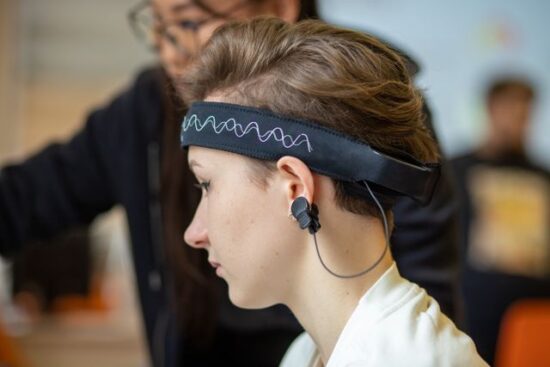
Structural MRI can provide information about brain anatomy, while diffusion MRI can help investigate the organisation of white matter pathways. Electroencephalography (EEG), meanwhile, records electrical activity from sensors placed on the scalp and can provide information about the timing and patterns of brain activity.
AI models can assist with processing these measurements, identifying features and comparing scans collected at different stages of a learning programme. For instance, a model could examine whether changes in functional connectivity occur alongside improvements in working memory or language performance.
Computer vision techniques can also help analyse imaging data by identifying spatial patterns that may be difficult to detect manually. Deep learning models can process complex image representations, while statistical learning approaches can identify relationships between brain measurements and cognitive outcomes.
Nevertheless, a change in an imaging signal should not automatically be interpreted as proof of new neural connections or improved cognitive ability. Brain imaging provides indirect measurements, and researchers must carefully distinguish observable signals from the biological processes they may represent.
Identifying Changes in Neural Connectivity
The brain functions through interconnected networks rather than isolated regions. Learning a new skill often requires coordination between systems involved in attention, memory, sensory processing and motor control.
AI-based network analysis could help researchers examine how communication patterns between brain regions change during repeated learning experiences. Functional connectivity analysis, for example, investigates statistical relationships between activity signals from different brain areas. Structural connectivity analysis uses imaging techniques to estimate the organisation of physical pathways.
Graph-based machine learning could represent brain regions as nodes and their measured relationships as connections. By comparing these networks over time, researchers may identify changes in network organisation associated with particular learning experiences.
Such analysis could help investigate whether certain activities are associated with more efficient coordination between relevant brain systems. However, functional connectivity does not necessarily demonstrate direct communication or establish that one brain region causes a change in another. It provides a statistical representation that requires careful interpretation.
Connecting Daily Experiences With Cognitive Adaptation
One of the most interesting possibilities of neuroplasticity mapping is its potential to connect everyday activities with changes in learning and cognitive performance. Human experiences are highly variable, and the brain responds to a combination of activities and environmental conditions.
AI could help analyse these experiences by combining behavioural information with cognitive assessments and neural measurements. This may allow researchers to investigate how different patterns of daily activity relate to changes in memory, attention, problem-solving and skill development.
Repeated Practice and Skill Development
Repeated practice is an important part of acquiring new skills. Whether someone is learning programming, practising mathematics, improving handwriting or playing a musical instrument, repeated engagement allows the brain to refine the processes involved in performing a task.
AI systems could analyse practice frequency, task difficulty, response accuracy and improvement rates alongside available neural measurements. This could help researchers investigate how different practice schedules relate to learning progression.
For example, two individuals may spend the same number of hours learning a programming language but follow different approaches. One may repeatedly solve practical problems, while the other may primarily watch instructional videos. By analysing task performance and relevant cognitive measurements over time, researchers could investigate whether different learning approaches are associated with distinct patterns of adaptation.
This approach could eventually support evidence-based learning strategies. However, performance improvement alone does not prove that a particular neural mechanism has changed. Combining behavioural results with appropriate neuroscience measurements is necessary to investigate the underlying processes.
Sleep and Memory Consolidation
Sleep plays an important role in memory consolidation, the process through which recently acquired information becomes more stable and integrated into existing knowledge. Different stages of sleep are associated with distinct patterns of brain activity, and research suggests that sleep contributes to the organisation of memories acquired during waking hours.
Neuroplasticity mapping could examine how sleep duration, sleep quality and learning performance relate to changes in cognitive outcomes. Wearable devices and sleep-monitoring technologies can provide estimates of sleep patterns, while EEG-based research can provide more direct information about electrical activity during sleep.
AI could combine these measurements with learning records to investigate whether particular sleep patterns are associated with better retention or improved performance. It may also help identify differences in how individuals respond to learning schedules that include different opportunities for rest.
However, wearable sleep measurements are not equivalent to detailed clinical sleep studies. AI predictions based on consumer devices should therefore be interpreted as estimates rather than definitive measurements of brain activity during sleep.
Attention, Stress and Emotional Experiences
Attention influences how information is processed, while emotional experiences can affect memory formation and the prioritisation of information. Stress may also influence cognitive performance, particularly when it is intense or prolonged.
AI could examine relationships between task engagement, response patterns, self-reported stress, physiological signals and cognitive outcomes. For example, changes in task accuracy and reaction time may help researchers identify periods when attention becomes less consistent.
Wearable devices may provide additional information through measurements such as heart rate and activity levels. These signals can contribute to broader research datasets, although they cannot independently reveal a person’s precise emotional state or measure neuroplasticity.
By examining repeated observations, researchers could investigate whether certain environmental or behavioural conditions are associated with improved learning consistency. This may help explain why the same educational activity produces different outcomes depending on attention, stress and surrounding circumstances.
The Role of Multimodal AI in Neuroplasticity Research
Neuroplasticity is influenced by multiple biological and behavioural processes, so relying on a single type of measurement may provide an incomplete picture. Multimodal AI offers a possible way to integrate different data sources into a more comprehensive research framework.
A multimodal system could combine structural and functional brain imaging, EEG measurements, cognitive test results, learning activity records, sleep estimates and behavioural observations. Each source contributes a different perspective on the relationship between experience and adaptation.
For example, brain imaging may indicate changes in functional connectivity, while cognitive assessments reveal improvements in memory performance. Learning records may show that the individual has increased practice frequency, and sleep data may provide information about recovery patterns. Analysing these measurements together could help researchers identify relationships that are difficult to detect when each dataset is studied separately.
Deep learning models can identify complex patterns across different data types, while temporal machine learning approaches can examine how those patterns evolve. Researchers could also use explainable AI techniques to investigate which features contribute most strongly to a model’s predictions.
The integration process presents important technical challenges. Different datasets may have different sampling frequencies, measurement scales and levels of reliability. Brain scans may be collected only a few times during a study, whereas wearable devices may generate data continuously. AI systems must account for these differences rather than treating all observations as equally reliable.
Can AI Predict Individual Learning Capacity?
An important potential application of neuroplasticity mapping is the investigation of individual differences in learning. People differ in their prior knowledge, cognitive abilities, motivation, learning strategies, sleep patterns and responses to practice. These differences can influence how quickly they acquire particular skills.
AI could analyse longitudinal learning records and neural measurements to identify patterns associated with individual learning trajectories. Instead of relying only on age or educational background, researchers could investigate how performance develops under different conditions.
For example, a predictive model might examine whether an individual is likely to benefit from shorter practice sessions, additional feedback or more challenging exercises. Such predictions could eventually contribute to adaptive education systems that adjust instructional methods according to observed learning progress.
However, predicting a person’s general learning capacity is much more difficult than predicting performance on a specific task. Cognitive abilities are not represented by a single measurement, and performance in one area does not necessarily indicate potential in another. A person who learns a language quickly may not show the same learning pattern in mathematics or physical coordination.
AI models must also avoid treating temporary performance differences as permanent characteristics. Fatigue, stress, unfamiliarity with a task and environmental distractions can influence test results. A reliable system would need repeated observations and careful validation before making meaningful predictions about individual learning patterns.
Applications in Education, Rehabilitation and Cognitive Research
Neuroplasticity mapping could have applications across several fields, particularly where understanding learning and adaptation is important. Education is one of the most promising areas because students regularly acquire new information, develop problem-solving abilities and refine cognitive strategies.
In education research, AI could help investigate how different teaching approaches relate to memory retention, attention and skill development. Researchers may compare the effects of spaced learning, active recall, practical exercises and feedback-based instruction. By combining learning outcomes with neuroscience measurements in carefully designed studies, they could examine whether particular methods are associated with different patterns of cognitive adaptation.
Rehabilitation research is another important application. Individuals recovering from neurological injuries may need to relearn movements, language skills or everyday activities. Neuroplasticity mapping could help researchers track changes in task performance and brain activity throughout rehabilitation programmes. AI may support the identification of progress patterns and help investigate which therapeutic approaches are associated with better outcomes.
In cognitive neuroscience, this framework could contribute to research on memory, attention, decision-making and ageing. Longitudinal analysis may help scientists understand how cognitive functions adapt during different life stages and how experiences influence the development of neural networks.
Professional training could also benefit from this research. Fields such as medicine, engineering, aviation and skilled manufacturing require individuals to develop complex abilities through repeated practice. AI-assisted analysis may help researchers investigate how expertise develops and how training environments can be designed to support learning.
These applications remain research opportunities rather than guaranteed outcomes. AI-generated assessments should not replace professional clinical evaluation or be treated as direct measurements of a person’s overall brain health.
Challenges in Measuring Neuroplasticity Through AI
Despite its potential, neuroplasticity mapping faces several scientific and technological limitations. The first challenge is that neuroplasticity occurs at multiple biological levels. Some changes take place at synapses, while others involve larger neural networks or modifications in white matter. Current non-invasive technologies cannot directly measure every underlying biological process in a living human brain.
Another challenge is the distinction between correlation and causation. If a study identifies a relationship between increased practice and changes in brain connectivity, it does not automatically establish that practice caused those changes. Other factors, including sleep, motivation, age, stress and previous experience, may contribute to the observed relationship.
Data availability is also a major concern. High-quality brain imaging and longitudinal cognitive measurements can be expensive and time-consuming to collect. Research datasets may contain relatively small participant groups, limiting the ability of AI models to generalise their findings to broader populations.
Individual differences create another difficulty. Brain structure, cognitive strategies and learning histories vary considerably between people. A model trained on one population may perform poorly when applied to individuals with different backgrounds or neurological characteristics.
The interpretability of AI models is equally important. Deep learning systems may identify patterns without clearly explaining the biological processes behind them. Researchers need methods that allow them to examine why a model makes a prediction and whether its conclusions are supported by established neuroscience.
Privacy and ethical considerations must also be addressed. Brain imaging, cognitive assessments and behavioural records can reveal sensitive information about individuals. Any system collecting these measurements must follow appropriate consent procedures, data protection standards and secure data-management practices. AI predictions should not be used to label students or workers as having fixed cognitive limitations or predetermined learning potential.
The Future of AI-Powered Neuroplasticity Mapping
Future developments may make neuroplasticity research more continuous, personalised and integrated. Improvements in wearable sensors, portable EEG systems, brain imaging and computational modelling could provide researchers with additional ways to study how neural and behavioural patterns evolve during everyday activities.
One emerging direction is the development of longitudinal brain models. These systems could use repeated measurements from the same individual to build a changing representation of cognitive and neural patterns. Rather than comparing a person with a general population average, researchers could examine how their own measurements change over time.
Another possibility involves digital twin-inspired models of cognitive adaptation. A computational model could represent selected features of an individual’s learning history, cognitive performance and measured neural activity. Researchers could then explore how different training schedules or learning conditions might relate to future performance. Such models would remain simplified representations rather than complete digital copies of the human brain.
Advances in explainable AI may also improve scientific reliability. Researchers could use interpretable models to identify which variables contribute to predicted learning outcomes and compare those findings with established neuroscience theories. This could help distinguish meaningful biological patterns from statistical relationships that emerge by chance.
In the longer term, neuroplasticity mapping may support more effective learning environments and rehabilitation programmes. However, progress will depend on well-designed longitudinal studies, diverse datasets, reproducible methods and validation against independent measurements.
Conclusion
Neuroplasticity mapping represents an emerging opportunity to understand how repeated daily experiences influence learning and cognitive adaptation. By combining AI with brain imaging, EEG, behavioural observations, cognitive assessments and longitudinal data, researchers may be able to identify patterns that connect everyday activities with changes in neural function and performance.
Repeated practice, sleep, attention, emotional experiences and environmental conditions all contribute to the complex process of learning. AI could help analyse how these factors interact and why individuals may follow different learning trajectories even when they encounter similar experiences.
Nevertheless, measuring neuroplasticity is not as simple as recording daily activities or observing improvements in test scores. Brain adaptation involves biological processes that cannot all be directly measured through current non-invasive technologies. AI predictions must therefore be interpreted carefully, with particular attention to causality, individual differences, data quality and scientific validation.
The most significant contribution of neuroplasticity mapping may be its ability to connect neuroscience with real-world learning experiences. As computational methods and measurement technologies improve, researchers could gain a more detailed understanding of how the brain adapts throughout life. This knowledge may eventually influence education, rehabilitation, professional training and cognitive research, helping develop learning environments that respond more effectively to the changing capabilities of the human brain.
Online Internship with Certificate
You may be interested
Proprioceptive Health Intelligence: Brain Understands Body Position and Movement?
Anshika Jain - November 4, 2026Every movement performed by the human body depends on an intricate communication system that operates largely without conscious attention. Walking across a room, climbing stairs, maintaining balance,…
Digital Organoid Research: Miniature Lab-Grown Organs
Anshika Jain - November 4, 2026Understanding how the human body responds to food is more complicated than identifying the nutrients present in a meal. Two people consuming the same food may experience…

Microbial Metabolite Signatures: Bacterial Byproducts Have Biological Effects
Anshika Jain - November 4, 2026The human gut contains a diverse community of microorganisms that actively participate in digestion, nutrient transformation and communication with the rest of the body. Although bacteria are…
Most from this category

Epithelial Immunity Mapping: Intestinal Cells Coordinate With Immune System
Anshika Jain - November 4, 2026

Extracellular Matrix Intelligence: Body’s Structural Environment Affect Tissue Health
Anshika Jain - November 3, 2026
Bone Remodeling Analytics: Balance Between Bone Formation and Breakdown
Anshika Jain - November 3, 2026
Epithelial Immunity Mapping: Intestinal Cells Coordinate With Immune System
Anshika Jain - November 4, 2026Gut Virome Intelligence: Viruses Influence the Human Gut Ecosystem
Anshika Jain - November 4, 2026Extracellular Matrix Intelligence: Body’s Structural Environment Affect Tissue Health
Anshika Jain - November 3, 2026

Digital Organoid Research: Miniature Lab-Grown Organs
November 4, 2026


.png)
Leave a Comment
You must be logged in to post a comment.