
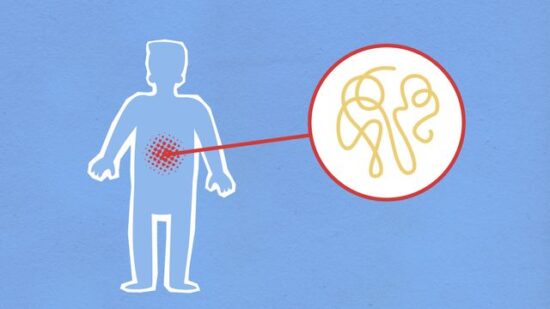
Epithelial Immunity Mapping: Intestinal Cells Coordinate With Immune System
Anshika Jain - November 4, 2026The human intestine performs two essential functions that must remain carefully balanced. It absorbs nutrients from food while protecting the body against harmful microorganisms, toxins and other…
Gut Virome Intelligence: Viruses Influence the Human Gut Ecosystem
Anshika Jain - November 4, 2026The human gut is home to an extraordinarily complex microbial ecosystem containing bacteria, fungi, archaea and viruses. While bacteria have received considerable attention in microbiome research, the…
Extracellular Matrix Intelligence: Body’s Structural Environment Affect Tissue Health
Anshika Jain - November 3, 2026The human body is often understood through its cells, organs, genes and biochemical processes. However, cells do not function independently. They exist within a complex structural environment…
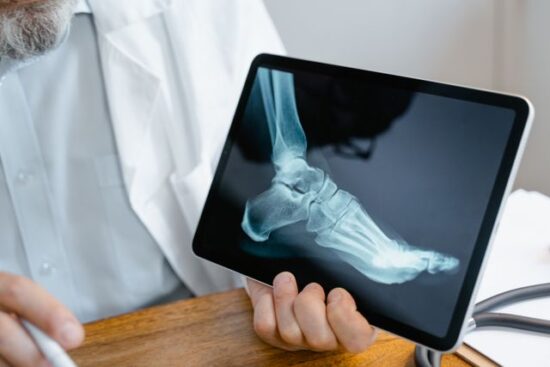
Bone Remodeling Analytics: Balance Between Bone Formation and Breakdown
Anshika Jain - November 3, 2026Bones are often considered rigid structures that provide support, protect internal organs and enable movement. However, the human skeleton is far more dynamic than it appears. Throughout…
Lymphatic System Intelligence: Hidden Role of Lymphatic Function in Health
Anshika Jain - November 3, 2026The human body depends on several interconnected systems to maintain internal balance, protect against infections and support the functioning of organs. While the cardiovascular, respiratory, digestive and…
Epigenetic Response Forecasting: Environmental Exposures Influence Gene Regulation
Anshika Jain - November 3, 2026Human health is influenced by more than inherited genetic information. Although DNA provides the biological instructions that guide the development and functioning of the body, the activity…
Organ Communication Intelligence: How Signals From One Organ Influence Another?
Anshika Jain - November 3, 2026The human body is not a collection of independent organs performing isolated functions. It is an interconnected biological network in which the heart, brain, liver, kidneys, lungs,…

Self-Care Stopping Rule: AI Recognize When a Lifestyle Experiment Should Stop
Anshika Jain - November 3, 2026Self-care has gradually evolved from a collection of everyday wellness practices into a highly personalised approach to managing lifestyle, productivity, sleep, nutrition, physical activity and emotional well-being.…

Food Substitution Equivalence: Can AI Find Plant-Based Alternatives
Anshika Jain - November 2, 2026The growing interest in plant-based eating has transformed how people think about nutrition, food production and everyday meal planning. Consumers are increasingly replacing animal-derived ingredients with plant-based…
Wellness Placebo Effect: AI Separate Genuine Habit Improvements
Anshika Jain - November 2, 2026Digital wellness applications have changed how people approach everyday health management. From fitness trackers and meditation platforms to nutrition planners and sleep-monitoring applications, these technologies encourage users…
.png)